Medical injection molding plays a crucial role in the production of high-quality, precise, and sterile medical devices. This process is widely used in the healthcare industry to manufacture everything from syringes and IV components to surgical tools and diagnostic equipment. With growing demand for safer and more efficient medical products, medical injection molding has become essential in meeting strict regulatory requirements while ensuring product consistency and reliability.
At its core, medical injection molding involves injecting medical-grade plastic materials into molds to create intricate parts with extreme accuracy. The technique allows manufacturers to produce large volumes of parts with minimal variation, making it ideal for mass production in the healthcare field. Additionally, medical injection molding ensures that devices are free from contaminants, maintaining high safety standards. Understanding the significance of medical injection molding is key to appreciating how modern healthcare products are manufactured. From reducing costs to enhancing patient safety, this process remains critical to advancing the quality and availability of medical devices worldwide.
What Is Medical Injection Molding?
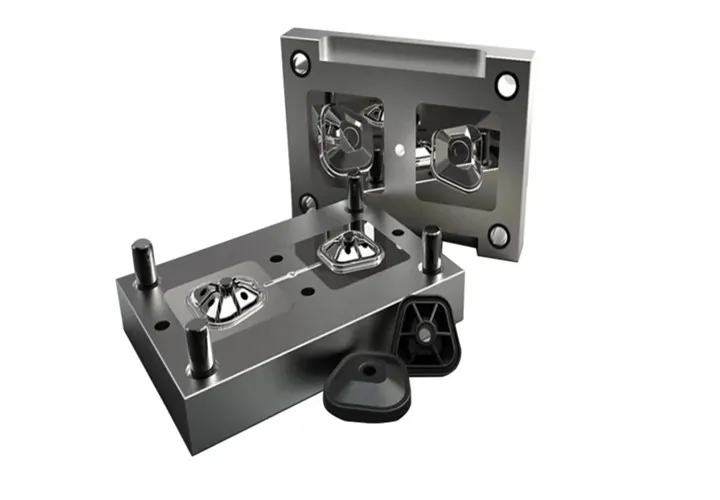
Medical injection molding is a manufacturing process designed to produce medical devices and components by injecting medical-grade plastics into precisely engineered molds. This technique is essential for creating highly detailed, accurate, and sterile parts necessary for various healthcare applications, including surgical instruments, diagnostic tools, and other medical products.
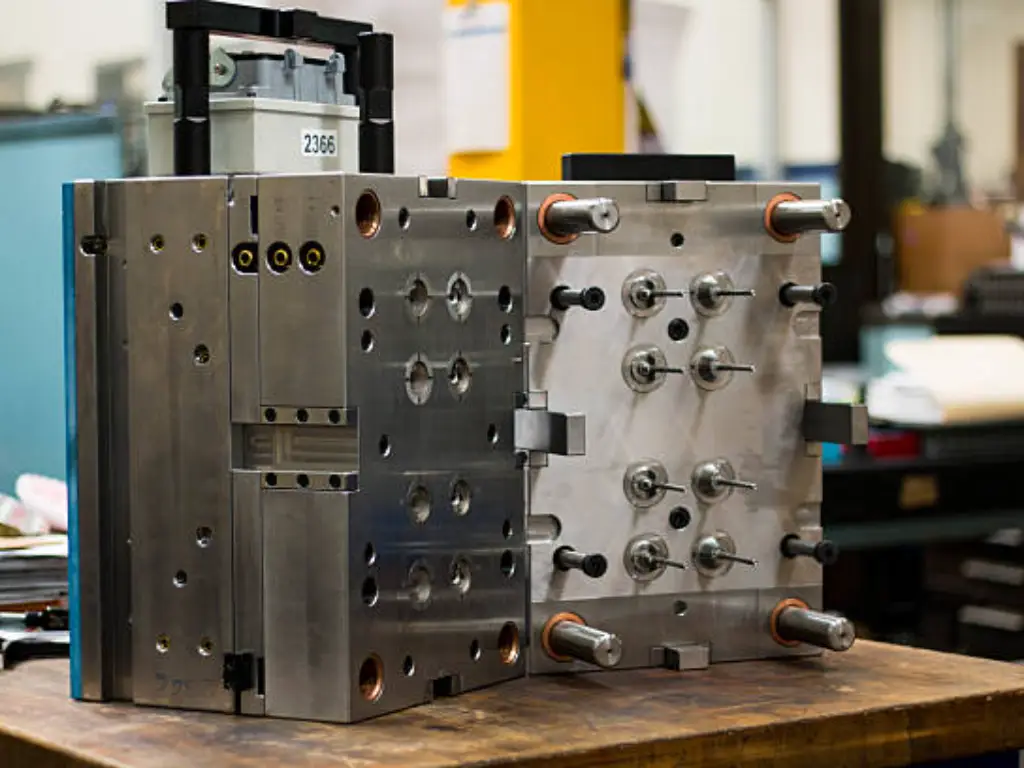
The process begins with the design of a mold tailored to the specific part requirements. Next, heated plastic material is injected into the mold under high pressure, allowing it to fill every intricate detail. Once cooled, the mold is opened, and the finished part is ejected. This method enables mass production of large quantities of components that maintain consistent quality and meet stringent regulatory standards. By ensuring that each part adheres to these rigorous specifications, medical injection molding remains a trusted approach for producing safe and reliable medical equipment.
Why Plastic Injection Molding Is Important in Medical Industry?
Plastic injection molding has become a cornerstone in the medical industry due to its ability to produce high-quality, precise, and reliable components. From surgical instruments to diagnostic tools, this process offers a range of benefits that make it an ideal choice for manufacturing medical devices. Its cost efficiency, precision, material versatility, and compliance with industry standards allow for the production of safe and durable medical products on a large scale. Below, we explore the key advantages of plastic injection molding in medical applications.
Cost-Effective Manufacturing
Plastic injection molding offers a highly efficient method for producing medical components, significantly reducing production costs, especially for high-volume orders. The process allows manufacturers to produce large quantities of identical parts quickly, which helps minimize labor and material waste. Once the mold is created, the per-unit cost drops, making it an economical choice for mass production in the medical industry.
Precision and Consistency
One of the key benefits of plastic injection molding is its ability to produce parts with extremely high accuracy. The process ensures that each component meets tight tolerances, which is crucial in medical applications where precision is essential for safety and functionality. This consistency across large production runs guarantees that every part is identical, reducing the risk of defects and errors.
Versatile Material Options
Plastic injection molding supports a broad range of materials, from biocompatible medical-grade plastics to highly durable engineering resins. This versatility allows manufacturers to select materials that meet specific requirements, such as resistance to chemicals, sterilization processes, or mechanical stress. The ability to choose from various materials makes this process adaptable to different medical applications.
Enhanced Durability and Strength
Medical components produced through injection molding benefit from superior strength and durability. The materials used in the process can withstand wear, impact, and other mechanical stresses, ensuring the longevity of medical devices. This durability is especially important for components that must endure repeated use in healthcare environments.
Meeting Regulatory Standards
Plastic injection molding processes are designed to comply with stringent industry regulations and standards. This ensures that the medical devices produced are safe, reliable, and meet the necessary quality requirements, making them suitable for use in healthcare settings.
Scalability and Repeatability
The injection molding process is ideal for producing high volumes of identical parts with repeatable quality. This scalability makes it possible to meet the growing demand for medical devices, while maintaining consistency in each production cycle.

Common Materials for Medical-Grade Products
Medical Injection Molding Materials are specially selected to ensure safety, durability, and biocompatibility for healthcare applications. Choosing the right material is essential for producing reliable medical devices that meet stringent industry regulations. Here are some of the most commonly used materials in medical injection molding:
- Polycarbonate (PC):
- Polypropylene (PP)
- Silicone
- Polyethylene (PE)
- Thermoplastic Elastomers (TPE)
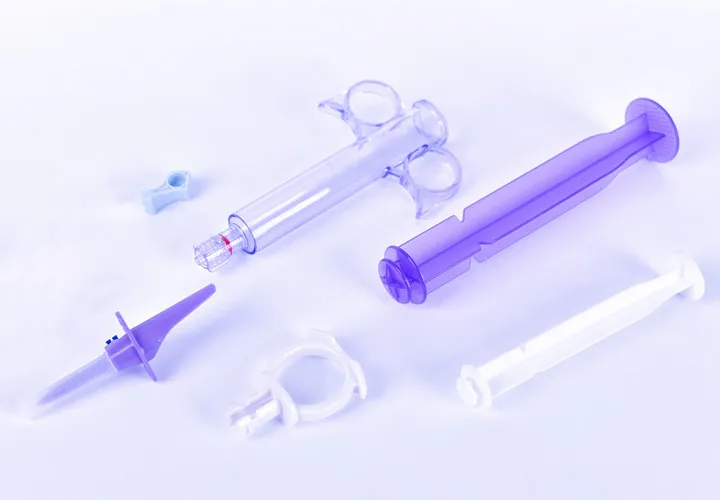
Several materials are commonly used in medical injection molding, each offering unique properties suited for specific applications. Polycarbonate (PC) is prized for its strength, durability, and transparency, making it ideal for devices requiring impact resistance and clarity, such as surgical instruments and diagnostic components. Polypropylene (PP) is known for its excellent chemical resistance, which makes it suitable for products exposed to cleaning agents and bodily fluids, including syringes, IV components, and medical packaging. Silicone offers flexibility and biocompatibility, making it a perfect choice for catheters, seals, and implants, and it can also withstand sterilization processes due to its resistance to extreme temperatures. Polyethylene (PE) is a cost-effective option known for its chemical resistance and flexibility, commonly used in tubing, containers, and disposable medical devices. Finally, Thermoplastic Elastomers (TPE) provide a rubber-like flexibility and are often used in wearable medical devices, seals, and grips, offering both comfort and durability while maintaining biocompatibility. These materials collectively meet the demands of the medical industry, ensuring safety, reliability, and compliance with industry standards.
Determining the Best Material for Medical-Grade Products
Choosing the right material for medical injection molding involves more than just selecting a plastic that can be sterilized and resists contaminants. Each medical-grade material offers unique benefits and performs differently based on its application. Key factors to consider include:
Durability and Strength
In medical settings, using a fragile material is not only impractical but potentially hazardous. Medical devices must withstand stress without shattering or breaking. Therefore, it’s essential to select materials that offer the necessary strength and durability for the device’s specific purpose.
Operating Conditions
The environment in which the product will be used plays a crucial role in material selection. For example, parts that undergo frequent sterilization or exposure to high heat should be made from materials like polypropylene, which can endure extreme temperatures. If flexibility and durability are needed, polycarbonate is a better option due to its resistance to abrasions, vibrations, and heat.
Ease of Use
It’s also important to consider how the end product will be used. For example, a heavy, non-ergonomic surgical instrument could make a surgeon’s task more difficult. Opting for lighter, ergonomic materials that are easy to sterilize can significantly improve usability and functionality.

Medical Industry Solutions From ACO Mold
Injection molding is a highly precise and cost-effective manufacturing method, delivering high-quality parts that meet the rigorous demands of the medical industry. While injection molding has numerous applications in healthcare, choosing the right material is crucial for ensuring the best performance. Different materials suit different applications, and to meet stringent regulatory requirements, it’s essential to work with an experienced injection molding partner.
At ACO Mold, our team of expert engineers can help you refine your design and select the optimal material for your medical components. We offer advanced tools like instant Design for Manufacturing (DFM) analysis to help you identify potential design issues, minimize production delays, and reduce your overall cost-per-part. Additionally, ACO Mold adheres to FDA regulations, maintains ISO certification, and complies with all relevant industry standards to ensure that your products are manufactured to the highest quality and safety standards.
Conclusion
In conclusion, medical injection molding is a highly efficient and precise process crucial for manufacturing a wide variety of medical devices. Its ability to produce complex, sterile, and durable components consistently is vital in meeting the healthcare industry’s stringent standards. At ACO Mold, we specialize in providing top-quality injection molding solutions, utilizing biocompatible, medical-grade materials that adhere to FDA regulations and ISO certifications. As the demand for reliable medical devices continues to rise, ACO Mold remains committed to advancing healthcare innovations by delivering safe, dependable products to patients and healthcare professionals alike.