I. Introduction
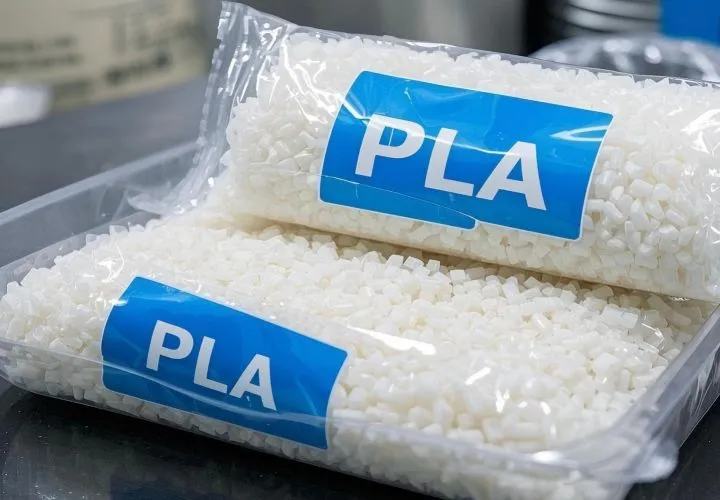
As sustainability becomes an increasingly important factor in product development, many businesses and consumers are looking for alternatives to traditional petroleum-based plastics. PLA plastic (Polylactic Acid), made from renewable resources like corn starch or sugarcane, has emerged as a front-runner in food packaging due to its environmental benefits. But as with any material that comes into contact with food, safety is a major concern. So, is PLA plastic safe for food? This is a question that many eco-conscious consumers and manufacturers are asking. PLA plastic has gained recognition for being biodegradable and compostable, but its safety for food use can vary depending on several factors, such as formulation and production process. In this article, we’ll dive into the benefits, risks, and key safety considerations of using PLA plastic in food packaging, as well as how it compares to other common materials. Whether you’re already using PLA or are considering it for your food packaging needs, understanding its properties and safety is essential. Let’s explore!
II. What Should Be Considered When Choosing Food Plastic
When selecting plastics for food packaging, it’s important to keep safety, sustainability, and performance in mind. Here are a few essential factors to consider:
1. Food Safety and Regulatory Compliance
The safety of food-contact plastics is paramount. Ensure that the material complies with FDA regulations and other relevant health standards. This means it should not leach harmful chemicals into the food and must be free from contaminants. Look for certifications like FDA-approved or food-safe labeling to guarantee that the plastic meets these strict guidelines.
2. Biodegradability and Sustainability
With environmental concerns rising, choosing a plastic that is biodegradable or made from renewable resources can be a responsible choice. PLA (Polylactic Acid), for example, is an eco-friendly plastic alternative, as it is derived from plants and degrades more quickly than traditional plastics. It’s important to weigh the benefits of biodegradability and ensure that it aligns with your sustainability goals.
3. Barrier Properties and Durability
The plastic you choose must provide adequate protection against moisture, air, and contaminants to preserve food freshness. Some plastics, like PLA, may not offer the same barrier properties as conventional plastics, which could impact the shelf life of certain foods. Durability is another consideration—especially if the plastic is intended for long-term use, such as in food storage.
4. Recycling and Customization
Recyclability is a key factor for sustainability. PLA can be composted industrially, but it’s not always recyclable through municipal programs. If recyclability is a top priority for your brand, be sure to understand how PLA fits into your recycling program. Additionally, the ability to customize packaging for branding is crucial in food packaging. PLA is versatile and can be molded into different shapes, sizes, and designs.

III. Is PLA Plastic Safe for Food?
Now that we’ve covered the key considerations, let’s take a deeper look at PLA plastic’s safety for food. Is PLA plastic food safe? Yes, PLA is non-toxic and FDA-approved for food contact. Compared to traditional plastics, it poses fewer health risks and is more eco-friendly, being biodegradable and compostable under industrial conditions.
(A) Benefits of Using PLA Plastic
1. Eco-friendly, Biodegradable, and Sustainable
PLA’s primary benefit is its sustainability. Made from renewable plant-based resources, such as corn starch or sugarcane, PLA is biodegradable and breaks down much faster than traditional plastics. It’s a great choice for businesses and consumers who are focused on reducing their environmental footprint.
2. Reduced Carbon Footprint and Lower Environmental Impact
PLA production generally requires less energy and releases fewer greenhouse gases compared to petroleum-based plastics. By using renewable resources, PLA helps lower the carbon footprint, contributing to a greener, more sustainable future. As industries and consumers continue to seek environmentally friendly alternatives, PLA offers a viable solution.
3. Non-toxic, Safe for Food Contact, and Consumer Health
PLA plastic is non-toxic, making it a safe option for food packaging. Unlike some traditional plastics that may leach harmful chemicals, PLA poses little to no risk to consumer health. It’s free from BPA and phthalates, commonly found in other plastics, ensuring peace of mind for both manufacturers and consumers.
4. Customizable, Versatile, and Durable Packaging
PLA is a highly versatile material, offering customizability in shape, size, and design. It can be molded into various forms for different packaging applications, whether it’s containers, wraps, or lids. In addition, PLA maintains a level of durability, ensuring that it can withstand everyday handling and transport, keeping food fresh and safe.
5. Consumer Appeal and Support for Circular Economy
With increasing consumer demand for eco-conscious products, PLA packaging is appealing to environmentally aware buyers. Using biodegradable materials helps brands align with sustainability trends, boosting brand reputation. Furthermore, PLA supports the circular economy by offering recyclable options and encouraging the reduction of single-use plastic.
(B) Is PLA Safer Than Other Plastics?
When it comes to food safety, not all plastics are created equal. While many common plastics, such as PVC, polystyrene, and PET, are widely used for food packaging, they often come with health and environmental concerns. In this section, we’ll compare PLA to these other plastics, focusing on its safety features, chemical risks, and recyclability.
1. Non-toxic and Free from Harmful Chemicals
One of the main advantages of PLA over other plastics like PVC, polystyrene, and PET is that it is non-toxic. PLA is free from harmful chemicals such as BPA (Bisphenol A) and phthalates, which are often present in conventional plastics. These chemicals have raised health concerns due to their potential to leach into food and drink products. In contrast, PLA does not release these substances, making it a safer option for food contact.
2. FDA Approval for Food Contact
PLA plastic is FDA-approved for food contact, ensuring it meets stringent health and safety standards. Unlike some plastics, which may require specific certifications depending on their intended use, PLA is recognized as safe for food packaging and storage. This provides consumers and manufacturers with confidence that PLA can be used without posing health risks.
3. Risk of Harmful Emissions and Leaching
When compared to PVC and polystyrene, PLA generally has a lower risk of harmful emissions. Both PVC and polystyrene are known to release toxic substances when heated or disposed of improperly. PLA, being plant-based, is not prone to releasing harmful fumes during production or disposal, which makes it a safer alternative in both manufacturing and waste handling.
4. Recycling and Disposal
PLA is compostable in industrial facilities, offering an environmentally friendly end-of-life solution compared to non-biodegradable plastics like PET and PVC. However, PLA can be difficult to recycle through traditional municipal recycling programs, and it should not be mixed with non-compostable plastics. PET, on the other hand, is more widely recycled but may not break down as easily in nature, contributing to long-term waste. By supporting specialized recycling and composting systems, PLA helps reduce its environmental impact.

IV. Guide to Understanding PLA in Plastic Injection Molding
(A) PLA injection molding mold requirements
Successful PLA injection molding starts with the right mold design and settings. Because PLA has a lower melting point (160–180°C) and increased brittleness, precise temperature control, mold finish, and ejection system design are essential to avoid warping, cracking, or part deformation.
1. Temperature Control
PLA requires a mold temperature between 40–60°C (104–140°F) to maintain proper flow and prevent defects. If the mold is too hot, PLA may degrade; if it’s too cold, it may cause uneven cooling, leading to warping or brittleness in the final product.
2. Mold Surface Finish
Since PLA is prone to surface imperfections, a smooth, glossy mold finish is recommended for high-quality aesthetics. Textured surfaces can be used, but they must be carefully designed to prevent adhesion issues or rough edges.
3. Gate Design and Venting
PLA’s relatively low viscosity means that proper gate placement is crucial for uniform filling. A small pin-point gate is often the best choice to ensure smooth flow and even cooling. Additionally, adequate venting must be incorporated to prevent air entrapment and burn marks.
4. Ejection System Considerations
Due to PLA’s brittleness, the ejection system should minimize stress on the part. Using well-placed ejector pins and a soft ejection technique can reduce the risk of cracking or deformation during removal from the mold.
(B) The PLA Injection Molding Process
The PLA injection molding process follows standard plastic molding techniques but requires careful adjustments to accommodate PLA’s unique properties. First, PLA pellets must be dried to prevent moisture absorption, which can cause bubbling or weak parts. The dried pellets are then melted at 160–180°C in a heated barrel and injected into a preheated mold (40–60°C) to ensure proper flow and minimize shrinkage. Since PLA solidifies quickly, controlled cooling is essential to prevent warping or internal stresses. Once the part has cooled, a soft ejection system should be used to prevent cracking or breakage due to PLA’s brittleness. Finally, post-processing steps like trimming, polishing, or painting can enhance the final product. To achieve high-quality PLA molding, manufacturers must focus on precise temperature control, slow injection speeds, uniform cooling, and careful ejection techniques to reduce defects and ensure product consistency.
(C) PLA vs. Conventional Plastics: How Do They Compare in Injection Molding?
When it comes to injection molding, PLA (Polylactic Acid) stands out in several ways compared to conventional plastics like ABS, polypropylene (PP), and polyethylene (PE). While PLA offers many advantages in terms of sustainability, its molding behavior differs due to its unique properties.
| Feature | PLA | ABS | PP |
| Processing Temp | 160–180°C | 220–250°C | 200–250°C |
| Cooling Time | Fast, risk of crystallization | Moderate | Moderate |
| Durability | Brittle, less impact-resistant | Tough, impact-resistant | Flexible, impact-resistant |
| Biodegradability | Yes, industrially compostable | No | No |
| Chemical Resistance | Low | High | Very High |
| Best For | Eco-friendly, disposable items | Durable consumer products | Flexible packaging, containers |
V. PLA Applications in the Injection Molding Industry
PLA is increasingly being used in a variety of food packaging applications due to its eco-friendly and safe properties. Here are some common uses for PLA in the food industry:

1. Food Packaging
PLA has become a popular choice for food packaging due to its eco-friendly, biodegradable properties. Injection molding allows for precision and customization, making it ideal for creating containers, cups, trays, and other food packaging that require both durability and an appealing appearance. With its non-toxic nature, PLA ensures that food safety is maintained while offering an environmentally sustainable option for packaging.
2. Toys & Educational Products
The toy industry is increasingly adopting PLA for manufacturing children’s products, including building blocks, puzzles, dolls, and figurines. PLA’s non-toxic and biodegradable properties make it a safe choice for kids’ toys, providing peace of mind to parents and aligning with sustainability efforts. Injection molding enables the mass production of intricate toy designs with high precision and durability.
3. Packaging Films and Bags
PLA is increasingly used in the production of packaging films and bags, which are commonly used for wrapping and protecting food and other products. Injection molding techniques allow for thin, flexible films that maintain the strength and integrity required for safe packaging. PLA’s biodegradable nature makes it a suitable alternative to petroleum-based plastic films, especially for products that require short-term packaging.
4. Cosmetic and Personal Care Packaging
The cosmetics and personal care industries are leveraging PLA’s sustainability for packaging products such as lotion bottles, cream jars, and other beauty containers. Injection molding ensures that these products maintain both durability and an appealing appearance. PLA’s biodegradability and non-toxic composition make it an ideal material for brands that prioritize eco-friendly packaging without compromising on design and product safety.
5. Medical and Pharmaceutical Products
In the medical and pharmaceutical fields, PLA is used for disposable equipment such as surgical instrument packaging and biodegradable sutures. The injection molding process ensures high precision and compliance with strict safety standards. PLA’s biocompatibility makes it a reliable material for single-use medical products, reducing plastic waste in the healthcare industry while maintaining safety and hygiene.
6. Consumer Goods and Electronics Packaging
PLA is also used in the packaging of consumer goods and electronics, providing a sustainable alternative to traditional plastic packaging. Injection molding enables the creation of sturdy, customized packaging that fits the unique shape and design of various products. PLA offers excellent protection against damage while maintaining a lower environmental impact, making it an attractive choice for companies looking to meet sustainability goals without compromising product safety.
VI. Conclusion: The Future of PLA in Food Packaging
Is PLA plastic truly food safe? Absolutely! PLA plastic is a safe, sustainable, and FDA-approved material for food packaging. Its biodegradable and non-toxic nature ensures that it does not leach harmful chemicals, making it a trusted choice for food contact applications. Combined with injection molding, PLA creates durable, customizable, and eco-friendly packaging solutions that meet both regulatory and sustainability standards. As businesses seek greener alternatives, PLA is emerging as the go-to choice for reducing plastic waste. Ready to switch to eco-friendly plastic? Contact ACO Mold to explore PLA solutions for your products.