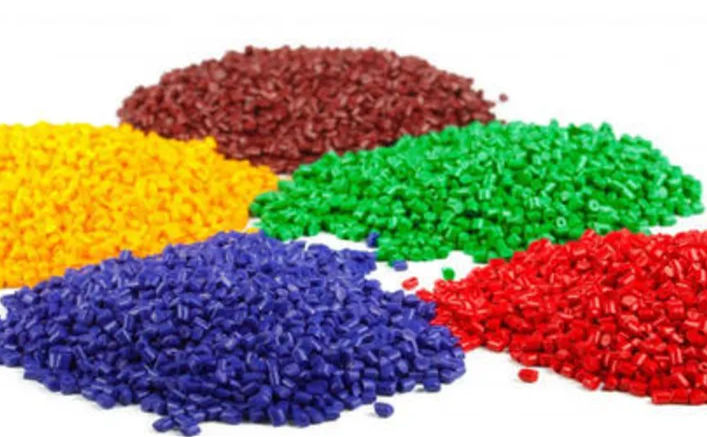
The injection molding is a process to form the plastic resin into the desired shape. Injection molding machine press the melted plastic into the mold, and cool down by cooling system into solid designed shape, almost all thermoplastics using this method, comparing with other processing way, injection molding has advantage of accuracy, productivity, it has higher requirement for equipment and mold cost, so it is mainly for high-volume production of injection molded parts.
Injection molding machine commonly used plunger cylinder / screw cylinder. Injection molding process: feed the plastic raw material from the hopper into the barrel, the plunger start to push, the plastic raw material is pushed into a heating zone and then through the bypass shuttle, the molten plastic through the nozzle into the mold cavity, then water or oil run through the designed cooling system to cool down the mold to get a plastic article. Injection molded parts from the mold cavity is typically required for proper treatment to remove the stress generated during molding process to have good dimensional stability and performance.
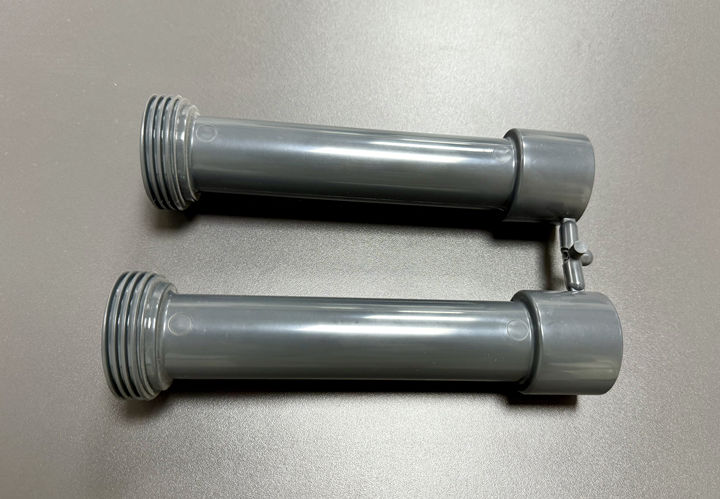
There are a lot of products produced by injection molding, most of the articles we frequently use in our office or our home, industrial application, automotive, medication, etc. it contributes a lots to production efficiency and makes low cost production is realistic.

Understanding plastic injection molding process
Plastic injection molding processes consist of four main stages: filling, packing, cooling and stripping. The four stages determine the quality of the injection molded parts, and the four stages are a complete and continuous process.
Filling stage
Filling the melt flow into mold cavities is the first step in the process, the mold cavities would be filled about 95% in this stage. Generally, the shorter filling time, the higher the molding efficiency, but in practice, the injection molding time or speed is influenced by many other factors.
- the viscosity of the material flow
- injection pressure
- setting the injection speed (the faster the reaction the greater)
- runner, gate friction loss
- venting
- mold structure
- Mold temperature setting
Packing stage
The holding pressure is continuously applied in packing stage, the melt compacted to increase the density of the plastic (densification) to compensate for the plastic shrinkage behavior. In the packing process, pressure in the mold cavity is high because it’s almost full filled. Injection molding machine screw are still moving forward slightly, plastic flow rate becomes very slow, in the packing stage, plastic mold wall is cooled down and solidified until the gate is closed.
Holding pressure and speed is usually 50% to 65% of the maximum pressure and speed of filling, which means holding pressure is 0.6 ~ 0.8 MPa lower than the injection pressure.
Cooling stage
The design of the cooling system of a injection mold is very important. Because the molded plastic article to need to be cooled and solidified to avoid deformation or damage. The cooling time of the takes about 70% to 80% of injection molding cycle, so a well-designed cooling system can shorten the molding time and improve the productivity magnificently. Poorly designed cooling system will extend molding time, increase costs; uneven cooling will cause deformation of plastic parts.
Releasing stage
The last process of plastic injection molding is releasing the parts from mold cavities, it’s also called de-molding. Even the plastic parts have been cooled down and solidified during cooling stage, but you still need to be careful for the way of releasing. Un-proper way will deform the plastic molded parts or even cause damage. There are two common methods of releasing, injector and stripper plate, which way to go depends on the molded plastic parts structure. Ejector layout should be uniform to achieve stable releasing. Preferable location of ejector is where there is maximum strength and largest release resistance on the part. The stripper is generally used for deep cavity thin-walled containers or transparent products with no ejector mark allowed.