In today’s fast-paced world, manufacturers are constantly searching for ways to reduce production time without compromising quality. One process that has revolutionized the way products are brought to market is rapid injection molding. This advanced technique allows companies to quickly produce plastic parts in small quantities, making it ideal for prototyping, testing, and low-volume production runs.
Unlike traditional injection molding, which often requires long lead times and costly tooling, rapid injection molding speeds up the process by using simplified molds made from softer materials, such as aluminum. This allows manufacturers to move from design to production in just a matter of days or weeks, rather than months. With the ability to use production-grade materials, rapid injection molding provides a practical way for businesses to test new products, gather feedback, and make adjustments before committing to full-scale production.
What Is Rapid Injection Molding?
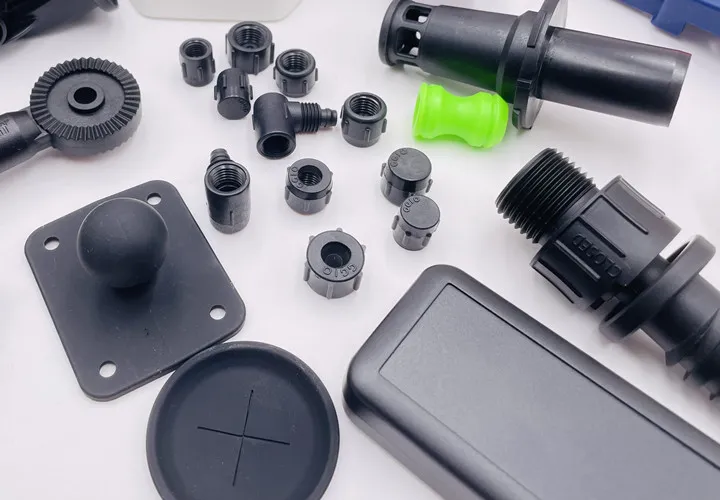
Rapid injection molding is a manufacturing process that creates plastic parts quickly by using simplified, cost-effective molds made from materials like aluminum instead of steel. This method is designed to produce small to medium volumes of parts—typically ranging from 100 to 10,000 units—faster and at a lower cost than traditional injection molding. The process involves injecting molten plastic into a mold cavity, where it cools and solidifies into the desired shape. Rapid injection molding is widely used for prototyping, low-volume production, and testing because it allows companies to quickly iterate on designs and validate product functionality using production-grade materials. It’s ideal for industries that need functional prototypes or small-batch parts without the high costs of traditional tooling.
How Does It Work?
The rapid injection molding process involves several key steps that allow for fast and efficient production of plastic parts. Here’s how it works:
1. Design and Prototyping
The process begins with designing the part using computer-aided design (CAD) software. This digital model serves as the foundation for creating mold. At this stage, prototypes are often 3D printed or CNC machined to validate the design before moving to production.
2. Mold Making
Once the design is finalized, a mold is created. Unlike traditional molds, which use steel, rapid injection molding typically uses softer materials like aluminum, allowing for quicker and more cost-effective mold production. The mold is designed with cavities that match the part’s specifications.
3. Material Selection
Once the design is finalized, a mold is created. Unlike traditional molds, which use steel, rapid injection molding typically uses softer materials like aluminum, allowing for quicker and more cost-effective mold production. The mold is designed with cavities that match the part’s specifications.
4. Injection Molding Process
In this stage, the selected plastic material is heated until molten and then injected into the mold under high pressure. The molten plastic fills the mold cavity, taking the shape of the designed part. The injection process is rapid, allowing for the production of multiple parts in a short period of time.
5. Cooling and Ejection
Once the mold is filled, the part needs time to cool and solidify. The mold remains closed during this cooling phase, ensuring the part retains its intended shape. After cooling, the mold opens, and the part is ejected using ejector pins.
6. Post-Processing
After ejection, some parts may require additional post-processing, such as trimming excess material (flash), polishing, or surface finishing to meet precise aesthetic or functional requirements. These secondary processes ensure the parts meet quality and design standards.
7. Quality Assurance
Finally, the parts undergo rigorous quality assurance checks. This step ensures that the parts are free of defects, meet dimensional tolerances, and perform as required. This is critical for verifying the accuracy and reliability of the produced components.

Benefits of Rapid Injection Molding
Rapid injection molding offers several key advantages that make it a preferred manufacturing solution for many industries. Let’s take a closer look at the main benefits:
Cost-Effectiveness
Rapid injection molding is a cost-efficient process, particularly for small-scale production runs and prototypes. The use of aluminum molds reduces tooling costs compared to traditional steel molds, making it affordable for businesses needing low-volume manufacturing without the heavy investment.
Reduce Time to Market
By streamlining the tooling process and accelerating production, rapid injection molding significantly shortens the time needed to bring products to market. Companies can go from concept to functional parts in days or weeks, allowing them to stay ahead of competitors and respond quickly to market demands.
Target Material Diversity
One of the advantages of rapid injection molding is the ability to use a wide range of production-grade plastics. This allows manufacturers to test different materials to meet specific performance requirements, including flexibility, strength, heat resistance, or biocompatibility.
Design Flexibility
The process provides greater design flexibility, allowing for complex geometries and features to be molded quickly. Designers can iterate and refine their prototypes more easily, making adjustments before moving to mass production.
Improve Precision and Consistency in Part Production
With rapid injection molding, parts are produced with high precision and consistency, meeting tight tolerances. This accuracy is crucial for industries such as medical devices, automotive, and aerospace, where the parts need to be performed under stringent conditions.
Reduce Risk
By creating functional prototypes using the same materials as the final product, companies can thoroughly test and validate their designs before committing to high-volume production. This reduces the risk of costly design changes or failures at later stages of the project.
Sustainable Development
Rapid injection molding contributes to sustainability by minimizing material waste and energy consumption. Shorter production cycles, efficient use of materials, and reduced need for large-scale production lead to a more eco-friendly manufacturing process.

Rapid Injection Molding VS Traditional Injection Molding
When it comes to manufacturing plastic parts, both rapid injection molding and traditional injection molding are widely used. However, each process serves different needs based on production volume, speed, and cost. Let’s explore how these two methods compare:
| Criteria | Rapid Injection Molding | Traditional Injection Molding |
| Tooling Time | Quick (Days to Weeks) | Slow (Weeks to Months) |
| Upfront Cost | Low | Low |
| Production Volume | Low to Medium (up to 10,000) | High (Millions) |
| Material Flexibility | Moderate | Wide |
| Speed | Fast | Slower |
| Part Complexity | Moderate | High |
| Mold Durability | Less Durable | Very Durable |
| Post-Processing | Often Required | Rarely Needed |
Why Rapid Injection Molding Is Ideal for Producing Functional Prototypes?
Rapid injection molding is a highly effective solution for producing functional prototypes due to several key advantages:
- Use of Production-Grade Materials
- High Precision and Detail
- Fast Turnaround
- Cost-effective for Low Volumes
- Real-World Testing
It allows for the use of production-grade materials, ensuring that the prototypes closely resemble the final product in terms of performance, strength, and durability. This method also offers high precision and detail, enabling the creation of complex geometries and tight tolerances that accurately match the design specifications. With its fast turnaround, rapid injection molding significantly shortens the prototyping phase, allowing for quicker iterations and design adjustments, which is crucial for product development timelines. Additionally, the process is cost-effective for low volumes, making it a practical choice for small-scale production runs without the need for expensive steel molds. Finally, since the prototypes are made from actual materials and produced with precision, they are suitable for real-world testing, allowing engineers to assess the prototype’s performance under real conditions before committing to mass production. This combination of speed, accuracy, and cost-efficiency makes rapid injection molding an excellent choice for functional prototyping.
Work with ACO Mold
Working with ACO Mold provides you with a trusted partner in injection molding and manufacturing. With years of expertise, ACO Mold offers one-stop services from mold design to production, ensuring your projects are handled efficiently from start to finish. Their experienced team specializes in delivering high-quality custom molds for various industries, including automotive, medical, electronics, and consumer goods. ACO Mold’s commitment to precision, cost-effectiveness, and fast turnaround times allows you to bring your products to market quickly and competitively. They also provide full support during the entire process, ensuring smooth communication and meeting your specific requirements. By choosing ACO Mold, you benefit from advanced manufacturing solutions and a reliable partner dedicated to your success.
Conclusion
Rapid injection molding is a powerful manufacturing process that bridges the gap between prototyping and mass production. It uses streamlined tooling methods, typically with aluminum molds, to quickly produce low-volume parts using production-grade materials. The process begins with detailed design and prototyping, followed by fast mold creation, material selection, and the injection molding process. Once the parts are molded, they undergo cooling, ejection, and any necessary post-processing to ensure quality and precision. This method offers key benefits such as faster time to market, cost-effectiveness, design flexibility, and the ability to produce functional, testable prototypes. Its speed, precision, and adaptability make rapid injection molding an essential tool for companies aiming to optimize their product development cycles.
Some Questions You May Want To Know: