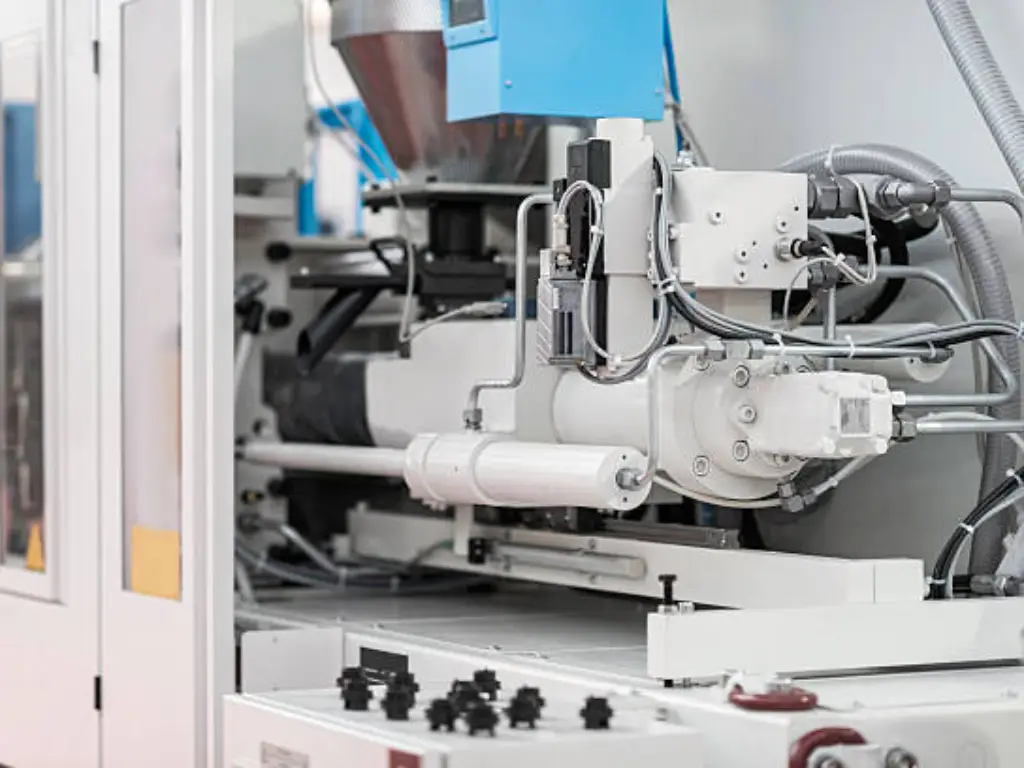
Scientific molding is not merely a collection of data or a set of complex processes; it is a strategic approach that aims to optimize the injection molding process for maximum efficiency, quality, and cost-effectiveness. This article delves deep into the various aspects of scientific molding, exploring its principles, methods, applications, challenges, and the significant impact it has on the manufacturing industry.
Understanding Scientific Molding
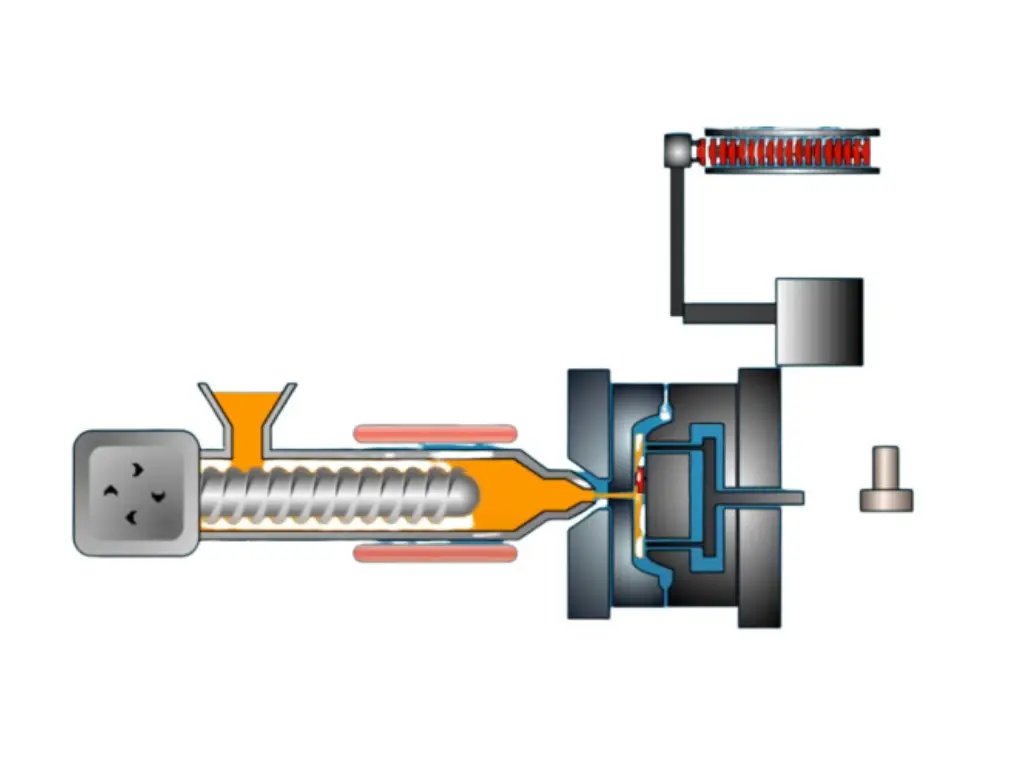
Scientific molding, at its core, is a systematic and disciplined approach to injection molding. It involves a detailed understanding of the material properties, mold design, processing parameters, and the interaction between these elements to achieve consistent and high-quality parts production.
Rather than relying on trial and error or empirical methods, scientific molding employs data-driven analysis and controlled experiments to establish precise processing conditions. This approach eliminates uncertainties and variations, leading to a more predictable and reliable manufacturing process.
For example, consider the selection of the plastic material. Different polymers have distinct flow characteristics, thermal properties, and mechanical strengths. By conducting thorough material tests and analyzing the data, manufacturers can choose the most suitable material for a specific application, ensuring optimal part performance.
Key Principles and Elements of Scientific Molding
- Process Monitoring and Control
Continuous monitoring of critical process parameters such as melt temperature, injection pressure, and cycle time is essential. Advanced sensors and monitoring systems provide real-time data, allowing for immediate adjustments to maintain the desired process conditions.
Let’s say in a production run of automotive parts, the melt temperature fluctuates by a few degrees. This seemingly small change can lead to variations in part dimensions and surface finish. With real-time monitoring, the temperature can be corrected promptly, preventing defective parts and reducing scrap rates.
- Mold Design Optimization
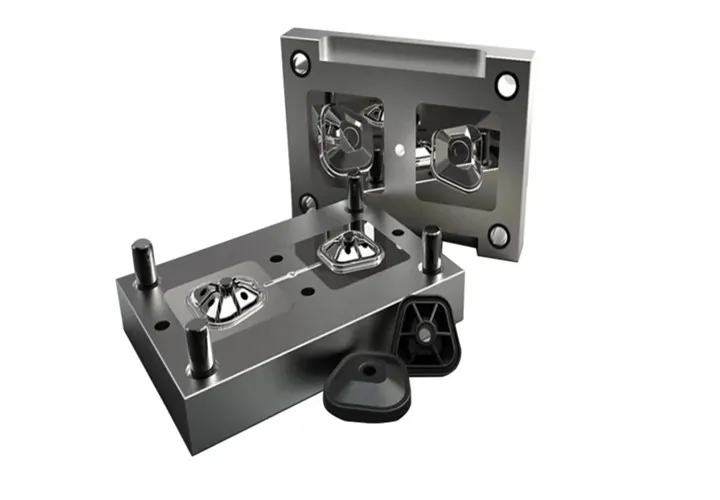
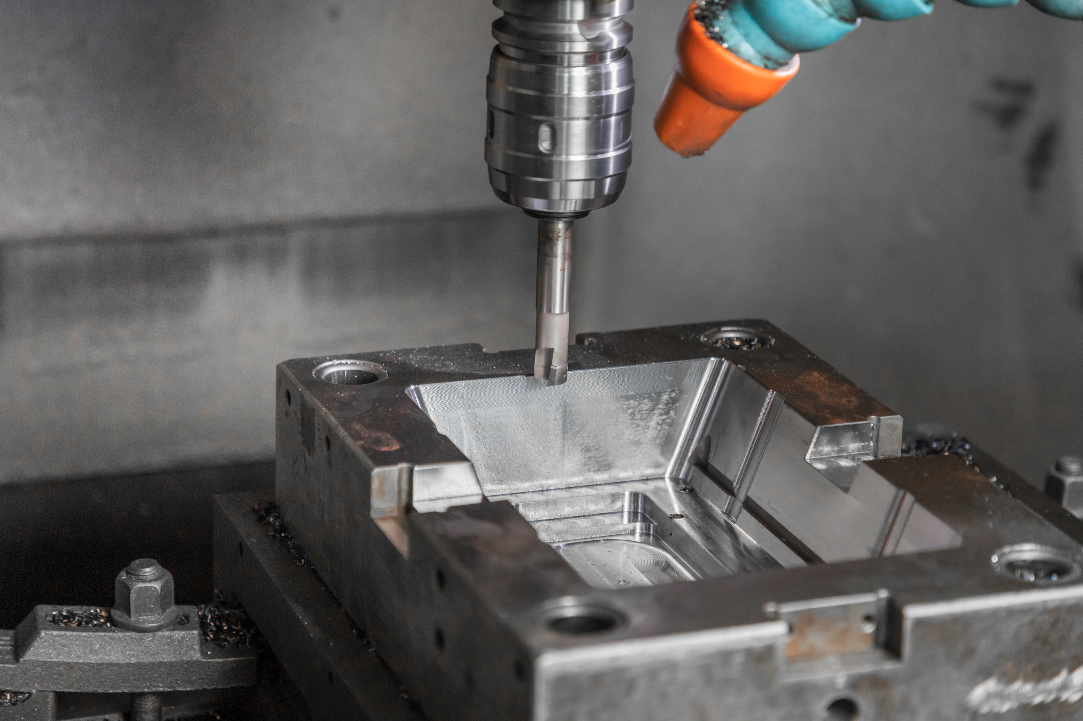
The design of the mold plays a crucial role in the success of the molding process. Factors such as gate location, runner size, cooling channels, and ejection systems need to be carefully engineered.
A case study in the electronics industry shows that by optimizing the gate location in a mold for a plastic housing, the flow of the molten plastic was improved, resulting in reduced weld lines and enhanced mechanical strength of the final product.
- Material Characterization
Understanding the properties of the plastic material, including its viscosity, shrinkage rate, and thermal stability, is fundamental. This knowledge helps in setting the appropriate processing parameters.
For instance, a certain type of engineering plastic has a high shrinkage rate. By accounting for this in the mold design and processing parameters, the final parts can be produced with accurate dimensions, eliminating the need for post-processing and reducing production costs.
Methods and Techniques in Scientific Molding
- Experimental Design
To determine the optimal processing conditions, structured experiments such as Design of Experiments (DOE) are employed. This method systematically varies the parameters to understand their individual and combined effects on the molding process and part quality.
Suppose a manufacturer wants to optimize the injection speed and holding pressure for a new product. Using DOE, they conduct a series of experiments by varying these parameters and measure the resulting part quality in terms of strength, dimensional accuracy, and surface finish. The data analysis from these experiments reveals the ideal combination of parameters for the best part performance.

- Simulation Software
Computer-aided engineering (CAE) simulation tools are used to predict the flow of the molten plastic, temperature distribution, and stress patterns within the mold before actual production. This helps in identifying potential issues and optimizing the mold and process design.
In the medical device manufacturing sector, a simulation of an intricate plastic component showed potential areas of excessive stress during molding. Based on this simulation result, the mold design was modified, and the processing parameters were adjusted to avoid part failure and ensure compliance with strict quality standards.
- Quality Control and Inspection
Stringent quality control measures are implemented throughout the production process. This includes in-process inspections, using advanced measurement tools like coordinate measuring machines (CMM) and optical scanners, and statistical process control (SPC) to monitor and control the quality of the produced parts.
A molding manufacturer of consumer goods produced plastic containers. By implementing SPC and regularly inspecting the containers using CMM, they were able to detect a slight increase in the variation of container dimensions early on. This allowed them to make timely adjustments to the process, preventing a large batch of defective products.
Applications and Benefits of Scientific Molding
- Automotive Industry
Scientific molding is widely used in the production of automotive components such as interior trim, engine parts, and exterior panels. The ability to produce lightweight, high-strength, and precisely dimensioned parts contributes to improved fuel efficiency, vehicle performance, and aesthetics.
For example, in the manufacturing of a car bumper, scientific molding techniques ensured consistent thickness, impact resistance, and perfect fit, meeting the strict safety and quality standards of the automotive industry.
- Electronics Industry
The production of plastic casings for electronic devices requires tight tolerances and complex geometries. Scientific molding enables the manufacturing of these casings with high precision and surface finish, protecting the sensitive electronic components and enhancing the product’s overall appearance.
A case in point is the production of a smartphone case. The use of scientific molding resulted in a case with seamless integration of buttons and ports, precise fit for internal components, and a smooth, scratch-resistant surface.
- Medical Industry
In the medical field, where the quality and reliability of components are critical, scientific molding is indispensable. Components such as syringes, medical implants, and drug delivery devices need to be produced with utmost accuracy and sterility.
The manufacturing of a plastic syringe using scientific molding techniques ensured precise volume measurement, leak-proof seals, and compatibility with sterilization processes, guaranteeing patient safety and effective medical treatment.
Challenges and Limitations of Scientific Molding
- High Initial Investment
The implementation of scientific molding often requires advanced equipment, software, and skilled personnel, which can involve a significant upfront cost.
For a small to medium-sized manufacturing enterprise, investing in a complete set of process monitoring sensors, CAE software licenses, and training for the workforce can pose a financial burden, especially if the return on investment is not immediate.
- Technological Complexity
The use of sophisticated techniques and analysis methods can be overwhelming for some manufacturers, especially those with limited technical expertise.
In a situation where a manufacturing team is accustomed to traditional molding methods, the adoption of DOE and simulation software might require extensive training and a steep learning curve, potentially causing delays in the implementation process.
- Changing Material Properties
Plastic materials can have variations in their properties due to factors such as batch differences and environmental conditions. This can pose challenges in maintaining consistent processing conditions.
A manufacturer experienced inconsistent part quality when using a new batch of plastic material. Despite having established optimal processing parameters based on previous batches, the variations in the material’s viscosity and shrinkage rate led to dimensional deviations and increased scrap rates.

- Resistance to Change
Some operators and managers might be reluctant to adopt new methods and technologies, preferring to stick with familiar, albeit less efficient, processes.
In a traditional manufacturing facility, workers might be skeptical of the benefits of scientific molding and resist changes to the established workflow, even though it could lead to significant improvements in productivity and quality.
Case Studies Illustrating Success and Challenges
- Success Story: Aerospace Component Manufacturing
A company specializing in aerospace components was able to reduce the defect rate from 5% to less than 1% by implementing scientific molding. The process involved detailed material characterization, mold design optimization, and real-time process monitoring. This led to not only improved product quality but also a reduction in production costs due to fewer rejections and reworks.
- Challenge Encountered: Material Supply Issues
Another manufacturer faced challenges when the supply of a key plastic material was disrupted. The substitute material had slightly different properties, and despite having the scientific molding framework in place, it took some time to recalibrate the process parameters and ensure consistent part quality.
Conclusion and Future Outlook
Scientific molding is a powerful tool that has revolutionized the injection molding industry. While it comes with its challenges, the benefits in terms of quality improvement, cost reduction, and increased competitiveness are undeniable.
Looking ahead, as technology continues to advance, we can expect further refinements in scientific molding techniques. Integration with artificial intelligence and machine learning could enable even more precise process control and predictive maintenance. Additionally, the development of new materials with enhanced properties will present both opportunities and challenges for the application of scientific molding principles.
In conclusion, for manufacturers willing to invest in the knowledge, technology, and skills required, scientific molding offers a path to achieving superior product quality, operational efficiency, and sustainable growth in the highly competitive manufacturing landscape.
It is essential for the industry to embrace and continuously evolve with these scientific approaches to stay at the forefront of innovation and meet the ever-increasing demands for high-quality plastic products.