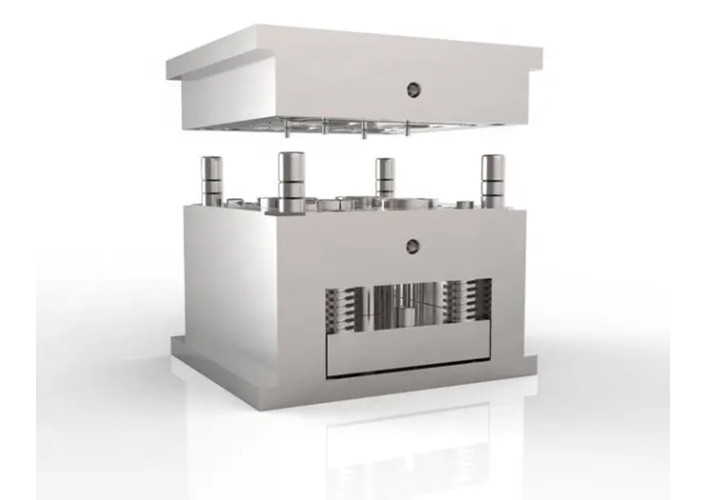
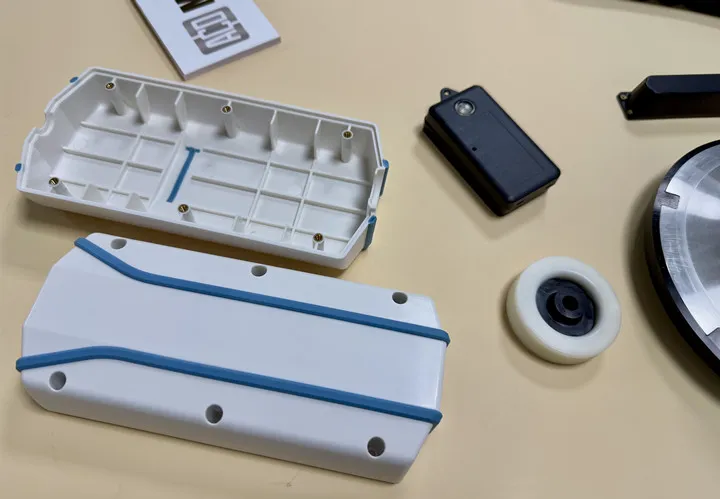
When it comes to manufacturing multi-material components, overmolding vs insert molding are two commonly used injection molding processes. Both techniques allow for the combination of different materials to create a single, durable product, making them popular in industries like automotive, medical devices, and electronics. However, understanding the differences between overmolding and insert molding is essential to selecting the right process for your specific application.
Overmolding involves molding a layer of material over an existing part, typically to improve aesthetics, grip, or functionality. It’s often used in products like tool handles or electronic device covers. In contrast, insert molding integrates a pre-formed component—often metal—into the plastic during the molding process, making it ideal for applications requiring strength and conductivity, such as electrical components.
In this comprehensive comparison, we’ll explore the key differences between overmolding and insert molding, their respective benefits, and when to choose each process. Whether you’re designing a product for enhanced durability, ergonomics, or performance, knowing the right technique can improve both product quality and cost-effectiveness.
What is Insert molding?
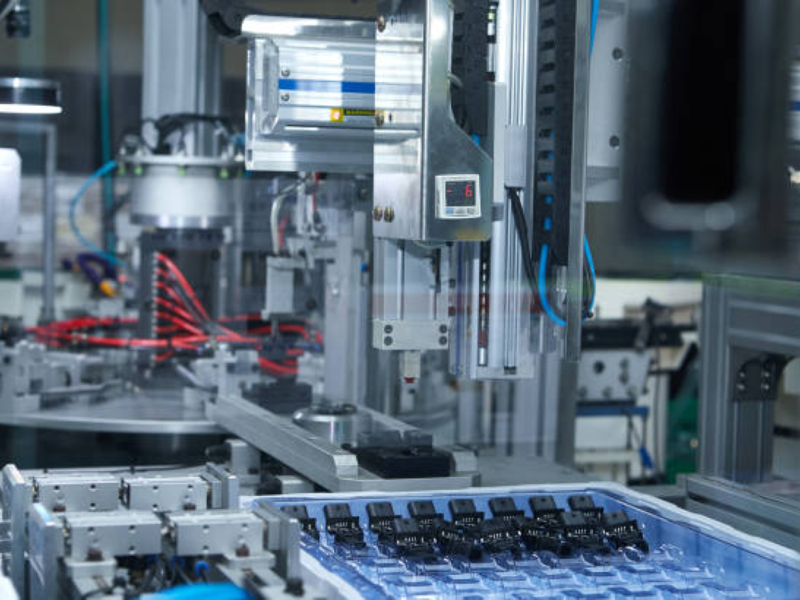
Insert molding is a manufacturing process where pre-formed components, known as inserts, are placed into a mold cavity before plastic or other materials are injected into the mold. The plastic material is then injected around the insert, bonding the two together as the part cools and solidifies. The insert can be made from a variety of materials, such as metals, plastics, or ceramics, depending on the requirements of the final product.
Benefits of Insert Molding
Insert Molding offers several key benefits, making it a popular choice in various industries where high performance, durability, and cost efficiency are essential. Here are some of the main advantages:
- Enhanced Strength and Durability
- Improved Design Flexibility
- Increased Functionality
- Cost-Effective for High-Volume Production
- Consistency and Quality Control
- Customization of Mechanical and Electrical Properties
Insert molding enhances strength, durability, and efficiency by embedding metal or other strong materials as inserts within plastic parts. This creates a solid bond between materials, making the part more durable than adhesive-bonded alternatives and eliminating the need for secondary assembly. The process reduces part complexity and handling, streamlining production and lowering costs, particularly for high-volume runs.
It also offers design flexibility, allowing the use of various materials for inserts, and accommodates complex shapes like threaded holes or multi-material components. Insert molding improves precision and enables the integration of functional features, such as electrical conductivity or heat resistance. With its consistency and minimal post-processing, insert molding ensures high-quality, reliable parts while reducing waste and production time.

What is Overmolding?
Overmolding is a manufacturing process where a layer of material, typically plastic or rubber, is molded over an existing part or substrate. The initial part (which could be made from metal, plastic, or another material) is placed in the mold, and a second material is injected over it. This process creates a single, multi-material part that combines the properties of both materials. Overmolding is commonly used to enhance the functionality, aesthetics, and ergonomics of a product, providing features such as soft grips, sealing, or added durability.
Benefits of Overmolding
Overmolding offers several key advantages, making it a popular choice for creating multi-material parts with improved performance and aesthetics. Here are some of the main benefits:
- Improved Aesthetics and Ergonomics
- Enhanced Durability and Protection
- Increased Design Flexibility
- Cost-Effective for Low to Medium Volume Production
- Reduction in Assembly Steps
- Customization of Functional Features
Overmolding improves both the aesthetics and ergonomics of a product by allowing the outer layer to be molded with materials such as rubber or soft-touch plastics, offering better grip and a more comfortable user experience. The process also adds protection to the underlying part, providing additional resistance to wear, moisture, and shock. Overmolding increases design flexibility, allowing manufacturers to combine materials with different properties to meet specific functional or aesthetic needs, such as adding electrical insulation or a rubberized seal.
Additionally, overmolding simplifies production by eliminating the need for secondary assembly, as both the substrate and the overmolded layer are created in a single step. This reduces production time and labor costs, making it a cost-effective solution for low to medium-volume runs.

Difference Between Overmoldinvs Insert Molding
Overmolding and insert molding are both manufacturing techniques used to combine multiple materials into a single component, but they differ in the way materials are integrated and the types of applications they are best suited for.
1. Process and Material Integration
Overmolding: In overmolding, a base material (such as a plastic or metal part) is first created and then a second material (typically plastic, rubber, or elastomers) is molded over the surface of the base part. This creates a multi-material part where one material envelops or covers another. Overmolding is often used to enhance surface properties, like adding a soft-touch layer or improving grip.
Insert Molding: Insert molding involves placing pre-formed components, known as inserts (such as metal, ceramic, or plastic parts), into the mold cavity before the plastic or other material is injected. The plastic material then flows around the insert, bonding the two materials together as the part cools and solidifies. The result is a single part with integrated inserts that provide strength, functionality, or electrical conductivity.
2. Types of Materials Used
Overmolding: Overmolding typically uses two different types of materials — one for the core (base material) and one for the overmolded layer. The base material is usually plastic or metal, while the overmolded material is often a soft-touch material, rubber, or plastic. This combination improves the part’s aesthetics, ergonomics, or protection (e.g., shock absorption, insulation).
Insert Molding: Insert molding uses a pre-formed insert made from metal, plastic, or ceramics, which is placed into the mold before the plastic is injected. The insert is typically a metal component (e.g., threaded inserts, pins, or connectors), and the overmolded plastic or other material binds around it to create a multi-functional part with enhanced strength or electrical conductivity.
3. Primary Function and Application
Overmolding: Overmolding is often used to improve the surface properties of a part, such as grip, comfort, or aesthetic appeal. It is common in applications where the user interacts directly with the part, such as in consumer electronics, tools, medical devices, and automotive interior parts (e.g., handles, switches, knobs).
Insert Molding: Insert molding is typically used in applications where strength or functional properties are required. It is ideal for parts that need to combine materials for specific functional features, such as strengthening plastic parts with metal inserts for load-bearing or electrical components. Insert molding is commonly found in the automotive, electronics, aerospace, and industrial sectors for creating connectors, brackets, and fasteners.
4. Complexity and Cost
Overmolding: Overmolding is often considered simpler because the process involves molding one material over another without the need for an external insert. However, it may be more costly for high-volume production runs due to the additional molding steps required for the overmolded layer.
Insert Molding: Insert molding can be more complex as it requires precise placement of the insert within the mold cavity. This adds complexity to the tooling and setup. However, it is often cost-effective for high-volume production because it eliminates the need for secondary assembly operations and reduces part complexity.
5. Design Flexibility
Overmolding: Overmolding allows for more flexibility in terms of creating parts with soft-touch surfaces or unique textures. It is particularly useful when the goal is to enhance ergonomics or comfort, such as creating grips for tools or providing a comfortable feel in consumer products.
Insert Molding: Insert molding offers more structural design flexibility. It allows for embedding functional inserts, like metal threads, electrical connectors, or reinforcing parts, into a plastic component, adding durability and multi-functionality to the final product.
6. Final Product Characteristics
Overmolding: The final product has a dual-material structure where one material (typically a softer, more flexible material) is molded over another. This creates products with enhanced aesthetic appeal, user comfort, or moisture resistance. For example, soft plastic handles over a hard plastic core or rubber over molded grips.
Insert Molding: The final product combines a base plastic part with an insert (often metal), making it stronger and capable of withstanding more mechanical stress, heat, or electrical interaction. For example, a plastic component with embedded metal threads or a plastic housing with metal contacts.

When to Choose Overmolding vs Insert Molding
Overmolding and Insert Molding are both effective techniques, but choosing the right one depends on the specific requirements of your product. Here’s a breakdown to help guide your decision:
Use Overmolding If:
- Your part requires different electrical or thermal properties on its surface, such as insulating or heat-resistant layers.
- You need to enhance the shock absorption or vibration damping of your part, like in power tools, medical devices, or electronic housings.
- You want to create a multi-colored plastic part for aesthetic or branding purposes, such as in consumer electronics or home appliances.
- Your part requires a comfortable, non-stick grip, such as in sports equipment, kitchen tools, or handles for better user experience.
- You need to embed soft seals for waterproofing or protection, such as in electrical connectors or outdoor equipment.
Use Insert Molding If:
- Your part requires the integration of a metal component, such as metal pins, threads, or fasteners, to provide added strength or functionality.
- Your substrate includes wires, electronic parts, or circuit boards, and you need to combine them with plastic for a more robust or insulated part.
- You want to avoid the cost of a complex two-shot mold, making insert molding a cost-effective solution for high-volume production where inserts are embedded into the part during the molding process.
- Your part needs threaded inserts for bolts or screws, such as in automotive or aerospace components, to create secure, durable connections within the plastic part.
Injection Molding with ACO Mold
ACO Mold specializes in providing high-quality injection molding services that combine precision, efficiency, and customization. With advanced capabilities in single-shot molding, overmolding, and insert molding, ACO Mold delivers tailored solutions for a wide range of industries, including automotive, electronics, and consumer products. Our state-of-the-art equipment ensures that every part is produced with high precision and tight tolerances, even for complex geometries or multi-material components. We offer a fast turnaround time and cost-effective solutions, especially for high-volume production. From prototyping to final production, ACO Mold supports every stage of the process, providing reliable, durable parts that meet both aesthetic and functional requirements.
Conclusion: Overmolding vs Insert Molding
Overmolding and insert molding each offer unique benefits based on product requirements. Overmolding is ideal for adding comfort, aesthetic appeal, or multi-material integration, such as soft grips or insulation. It’s best for parts needing a soft-touch surface or additional functionality. In contrast, insert molding is suited for parts requiring strength, precision, and functional inserts like metal components or threaded holes. It’s perfect for creating durable parts with complex features. The choice between the two methods depends on factors like design needs, production volume, and cost efficiency, ensuring the most effective solution for your product.