Introduction to Clear Plastic
In the intricate landscape of contemporary manufacturing, the evolution of clear plastic represents the zenith of human creativity and the forward march of technological innovation. My profound immersion in the field of molding has afforded me the privilege to witness the revolutionary influence of clear plastic across a diverse spectrum of applications. This material transcends its basic utility; it serves as a vessel for the harmonious integration of functional robustness and aesthetic refinement, playing a crucial role in the fabrication of items ranging from intricate, superior-quality medical apparatus to resilient components used in the automotive industry.
The Captivating Attributes of Clear Plastic

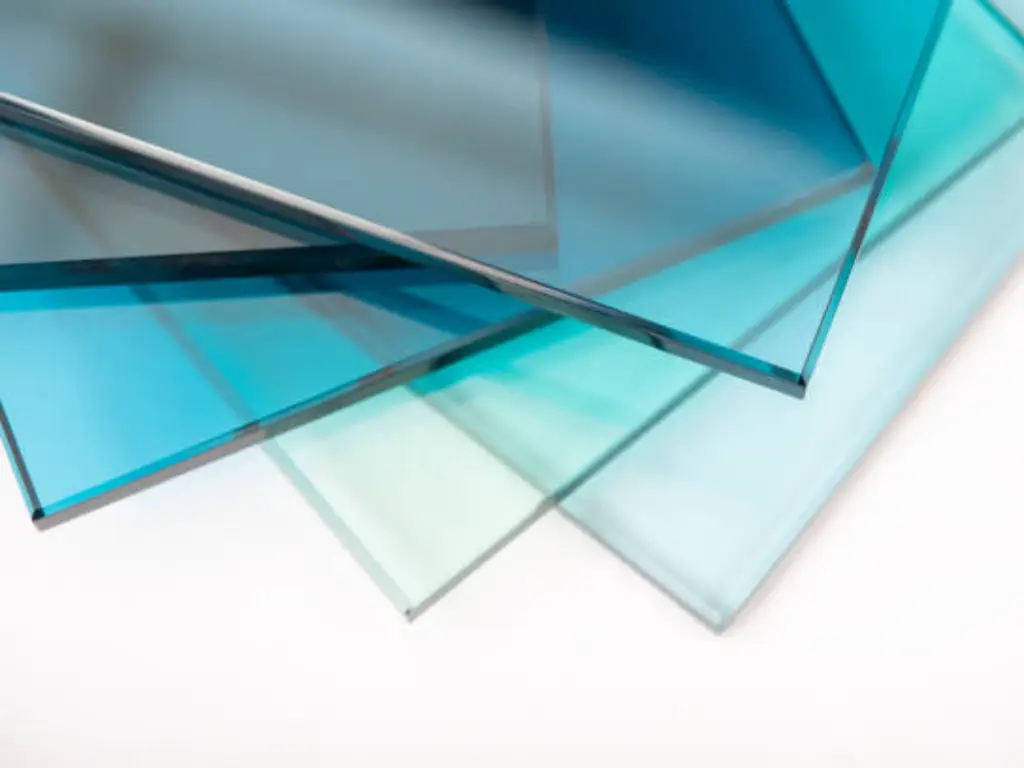
The allure of clear plastic originates from its unparalleled combination of operational efficacy and pristine transparency. Employed in the creation of top-tier medical equipment as well as common domestic goods, its see-through nature marries functionality with a hint of sophistication. This material transcends its physical form, acting as a catalyst for innovation, urging designers and industrial craftsmen to venture beyond the traditional barriers set by non-transparent substances.
The Journey from Concept to Concrete Reality
The metamorphosis of a conceptual clear plastic design into a tangible artifact demands a profound understanding of the materials at play and the complex methodologies involved. Throughout my career, I have been a spectator to the evolution of numerous projects, each characterized by its own set of intricate challenges and successes. The path from a rudimentary sketch to a finished, lustrous, and translucent product is a testament to the confluence of scrupulous accuracy, sophisticated techniques like rapid tooling, urethane casting, and the visionary flair vital in manipulating substances such as casting resin and extrusion plastics. Often involving the molding of complex shapes, this process necessitates a meticulous orchestration of elements, including catalysts, and specific finishing techniques such as polishing, to manifest the envisioned result. This endeavor is not merely a manufacturing process; it is an art form that merges the realms of functionality and visual appeal, leveraging advanced methodologies like production tooling and the unique properties of materials such as translucent plastic and plastic film. The result is a product that exemplifies not only functional superiority but also a visual allure, embodying the ingenuity and mastery of industry professionals.
| Material | Transparency (Optical Clarity) | Impact Resistance | Thermal Stability | Compatibility with Coloring Agents | Additional Notes |
| Polycarbonate (PC) | High | Very High | High | Moderate | Suitable for applications requiring durability. |
| Acrylic (PMMA) | Very High | Moderate | Moderate | High | Ideal for applications where optical clarity is prioritized. |
| Polyurethane Variant | Moderate | High | High | High | Offers a good balance between clarity and mechanical strength. |
| Silicone-Based | High | High | Very High | High | Exceptional for high-temperature applications. |
Pre-Production: Designing for Clarity

Prior to the commencement of the actual molding process, wherein the molten resin amalgamates with the metallic mold, an extensive and meticulous phase of planning and schematic design is paramount. This preliminary stage transcends mere aesthetic considerations; it is fundamentally concerned with ensuring the operational integrity and the feasibility of production of the final part.
In the realm of transparent plastic design, one must navigate a nuanced equilibrium between aesthetic allure and pragmatic utility. The blueprint must meticulously account for the idiosyncrasies inherent in the molding technique, encompassing the dynamics of resin flow and the parameters of thermal dissipation. This is not merely to avert potential defects; it is to guarantee the pristine clarity and structural integrity of the ultimate product. In essence, every minute detail is orchestrated to culminate in the realization of a flawless final part.
Ways to Produce Clear Plastic Components
Technique 1: Advanced Stereolithography (SLA) for the Precision Crafting of Clear Plastic
In the realm of clear plastic fabrication, Stereolithography, or SLA, is revered for its groundbreaking approach. This avant-garde method harnesses the power of a meticulously focused laser to progressively solidify liquid resin, layer by refined layer. The extraordinary precision and granular resolution that SLA affords are beyond compare, establishing it as the premier methodology for crafting prototypes or highly intricate parts where the clarity of the material is paramount.
Technique 2: CNC Machining for the Artisanal Creation of Transparent Components
CNC machining represents a distinguished alternative for the creation of transparent elements. This subtractive production process artfully carves a design from a solid block of substrate. While predominantly associated with the manipulation of metals and other sturdy materials, CNC machining has been refined to skillfully fabricate detailed and precision-crafted transparent plastic parts.
Technique 3: Injection Molding for Achieving Peak Clarity in Plastic Manufacturing
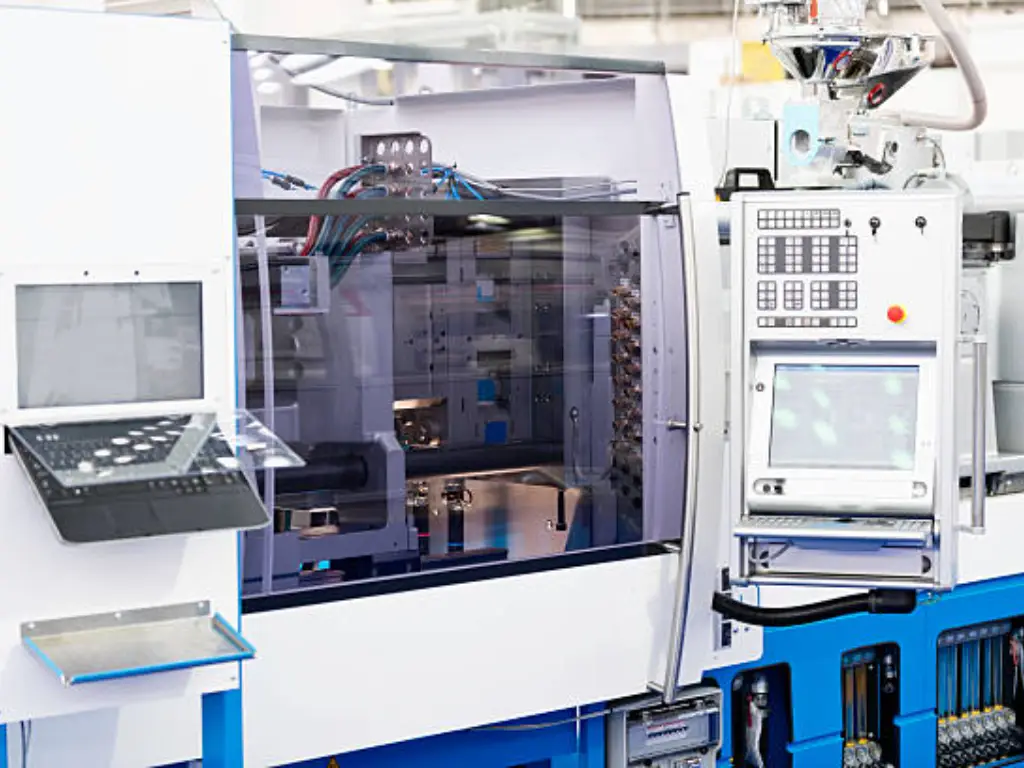
Injection molding is recognized as a mainstay in the field of manufacturing, lauded for its productivity and versatility. Within the context of clear plastic manufacturing, this method entails the precise injection of molten resin into a meticulously engineered metal mold. The central challenge lies in attaining a perfect symbiosis of temperature and pressure, vital for ensuring immaculate transparency devoid of any blemishes or imperfections.
Technique 4: Vacuum Casting for the Amplification of Clarity
Vacuum casting, though perhaps not as widely recognized, emerges as an exceedingly efficacious technique for the production of clear parts. This process involves the creation of a silicone mold followed by the application of vacuum pressure to guide liquid resin into it. This technique is especially beneficial for limited-scale production, offering a synergistic balance between premium quality and cost-efficiency. Consequently, it presents a compelling solution for the manufacturing of clear plastic parts that epitomize supreme clarity.
Finishing Techniques for Clear Plastic

Upon the initial formation of the part, the quest for achieving pristine transparency is an intricate endeavor. The refinement techniques employed are pivotal in augmenting both the visual allure and functional integrity of the final product, transcending mere aesthetic enhancement to fortify longevity.
Precision Sanding and Polishing
The meticulous process of sanding and polishing is integral to realizing the quintessential transparency of plastic parts. Initiating with a coarser grit and methodically transitioning to finer grit sandpaper is instrumental in eradicating surface roughness. This stage demands meticulous attention and methodical execution, as the slightest flaw can detract from the material’s clarity. Subsequent polishing, whether executed manually with a microfiber cloth or through sophisticated apparatus, accentuates the innate brilliance of the plastic.
Chemical Refinement and Protective Layering
Beyond mechanical refinement, the application of chemical treatments and protective coatings markedly enhances both the transparency and resilience of clear plastics. The judicious application of a solvent such as acetone can proficiently ameliorate minor surface irregularities. Conversely, the introduction of protective coatings can impart additional attributes, including resistance to ultraviolet radiation and heightened impact resistance, thereby prolonging the lifespan and efficacy of the transparent component.
Addressing Common Challenges in Clear Plastic Production

The fabrication of transparent plastic entails a series of intricate challenges. Each phase, spanning from the meticulous selection of raw materials to the comprehensive finishing procedures, harbors potential obstacles that may compromise the transparency and overall excellence of the end product.
Manifestations of imperfections in transparent plastics can vary, encompassing minor surface abrasions to internal voids. Mitigating these defects necessitates a blend of stringent process oversight during the production phase and exacting refinement techniques post-manufacturing. The essence lies in the profound comprehension of the distinct characteristics of each material and procedural step, thereby reducing the incidence of these flaws.
Securing uniform quality and absolute clarity in the production of transparent plastic is an endeavor of rigorous precision and steadfast control. Aspects such as the immaculateness of the resin, the exactitude of the mold construction, and the constancy of the production milieu are fundamental. The implementation of continuous scrutiny and stringent quality assurance protocols is imperative to uphold and perpetuate elevated standards of excellence.
Conclusion: The Art of Crafting Clarity
In summation, the sophisticated craft of producing pristine plastic components stands as a testimony to the meticulous combination of premium-grade materials science and avant-garde manufacturing methods. The realm of transparent plastics is epitomized by its steadfast commitment to precision and its capacity for boundless creativity, manifesting an extraordinary amalgamation of high durability and optical clarity. The evolution from raw polymeric substances to immaculate end-use products exemplifies the harmonious intersection of profound scientific acuity and exceptional technical artistry. Such endeavors in the field of material engineering and industrial design remarkably illustrate the zenith of human innovative capability. The unyielding quest for unsurpassed excellence within this sphere is emblematic of a deep-seated dedication to surmounting the conventional limitations, thereby ceaselessly expanding the horizons of transparent plastic production.