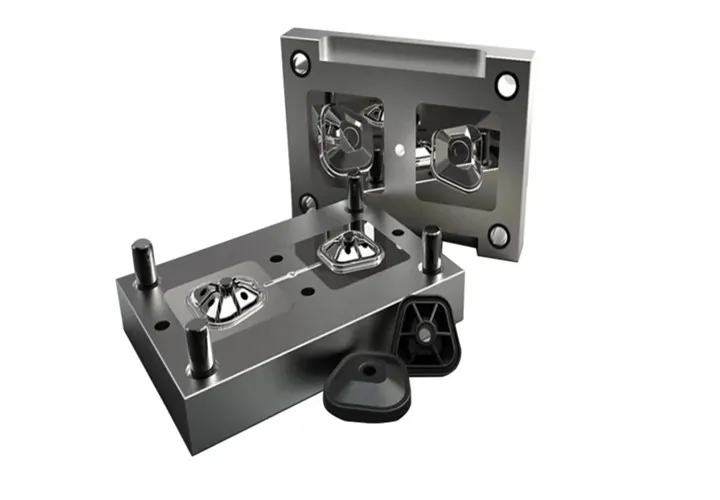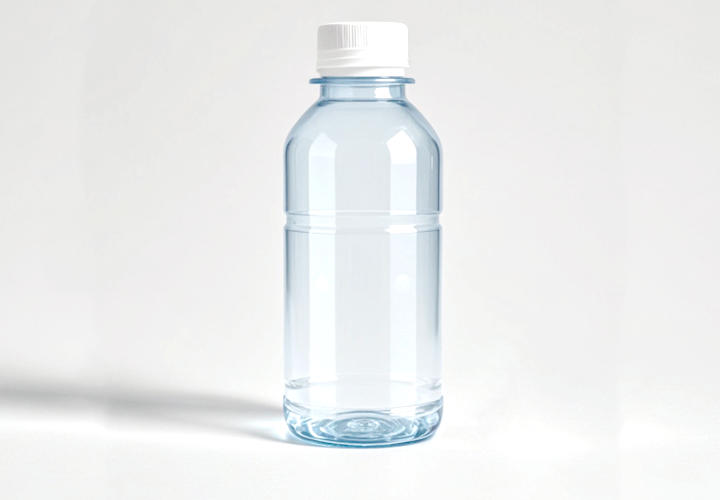
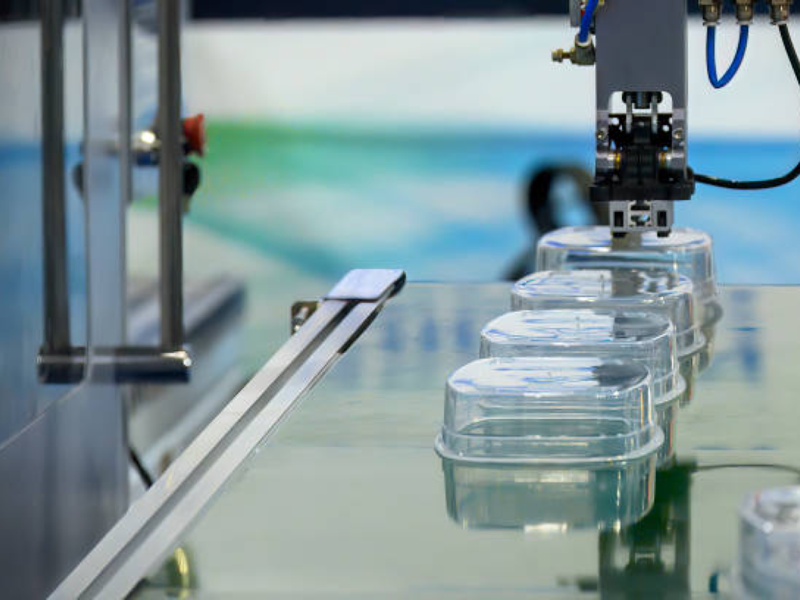
The main plastic molding types include blow molding, injection molding, compression molding, extrusion molding, rotational molding, thermoforming, vacuum forming, pultrusion molding, laminate molding, cast molding, and foam molding, etc.
I.Overview of Plastic Molding
Plastic molding is a crucial process in the manufacturing industry, where raw plastic materials undergo various techniques and operations to be transformed into a wide range of plastic products with specific shapes, sizes, and properties. This process plays a vital role in meeting the diverse demands of different sectors, from consumer goods and automotive to aerospace and medical.
The significance of plastic molding lies in its ability to create products that are not only functional but also aesthetically pleasing, with precise dimensions and consistent quality. It enables the mass production of plastic items, ensuring uniformity and efficiency. Moreover, it offers the flexibility to produce complex shapes and structures that might otherwise be challenging or expensive to achieve through other manufacturing methods.
The application of plastic molding is incredibly broad. It can be found in the production of everyday items like plastic containers, toys, and packaging materials. In the automotive industry, it is used for manufacturing components such as dashboards, bumpers, and interior trim. In the medical field, it helps create precise medical devices and equipment. The versatility and adaptability of plastic molding make it an indispensable part of modern manufacturing.

However, the choice of the specific plastic molding types depend on several factors, including the nature and properties of the plastic material, the complexity and size of the desired product, the production volume, and the cost considerations. Each molding method has its unique advantages and limitations, which need to be carefully evaluated to achieve the best results in terms of quality, productivity, and economic feasibility.
II. What are the Different Plastic Molding Types?
(1) Blow Molding
Blow molding is a process where a thermoplastic parison is inflated by compressed air to adhere to the mold cavity wall, and after cooling, a hollow plastic product is obtained. The process is relatively simple, with relatively low mold costs but average production efficiency. It is commonly used to manufacture hollow containers such as bottles and fuel tanks, and its advantage lies in the ability to produce large hollow products.

(2) Injection Molding
Injection molding involves heating the plastic to a molten state and then rapidly injecting it into the mold cavity under high pressure. The product is obtained after cooling and solidification. This process is more complex, with higher mold costs due to the complex mold structure, but has high production efficiency. It is suitable for applications in fields such as electronics and automotive parts. It can produce plastic products with complex shapes, precise dimensions, and metal or non-metal inserts, and is suitable for mass production.

(3) Compression Molding
Compression molding involves placing powdered, granular, or fibrous plastic into a heated mold cavity, closing the mold and applying pressure to allow the plastic to form under heat and pressure. In terms of costs, the mold costs are relatively low but the production cycle is long. It is often used to produce thermosetting plastic products such as electrical parts and tableware. It can apply high pressure and is suitable for thick-walled products.

(4) Extrusion Molding
Extrusion molding involves making the plastic in a viscous state pass through a specific cross-sectional die under high temperature and certain pressure to obtain continuous profiles with the same cross-section. This method has high production efficiency and moderate costs, and is mainly used to produce pipes, sheets, rods, etc. It can continuously produce products with the same cross-section.
(5) Rotational Molding
Rotational molding places powdered or liquid plastic in a mold, heats it and rotates it simultaneously around two mutually perpendicular axes to uniformly distribute and melt the plastic to adhere to the mold cavity surface. After cooling and demolding, a hollow product is obtained. The mold requirements are low and the costs are average. It is suitable for manufacturing large or extra-large hollow plastic products such as storage tanks. It has low requirements for molds.

(6) Thermoforming
Thermoforming heats the plastic sheet to a softened state, and then adheres it to the mold surface by applying pressure or vacuum adsorption. It has low equipment investment and costs and is often used to produce packaging containers and disposable tableware. The production process is simple.
(7) Vacuum Forming
Vacuum forming is a type of thermoforming where vacuum is used to make the plastic sheet adhere to the mold surface. It has low costs and is suitable for producing shallow cavity products with complex shapes. It can more effectively make the sheet adhere to the mold.

(8) Pultrusion Molding
Pultrusion molding involves curing a continuous fiber bundle or tape impregnated with resin under the action of a traction device through a molding die. The costs are moderate and it is mainly used to produce long条状 plastic products with constant cross-sections, such as glass fiber reinforced plastic rods. It can produce continuous profiles with high strength and stiffness.
(9) Other Molding Types
In addition, there is laminate molding, where multiple layers of sheet materials impregnated or coated with resin are laminated and cured under heating and pressure to form laminate plates or molded products. It is often used to manufacture high-quality insulating materials and structural components, with moderate costs.
Casting molding involves injecting liquid monomers or prepolymers into a mold and curing them under certain conditions. It is suitable for producing large, thick-walled and complex-shaped products with higher costs.
Foaming molding creates microcellular structures in the plastic to obtain plastic products with lightweight, heat insulation, and sound insulation properties. It is commonly used to manufacture foam plastic sheets and cushioning packaging materials, with costs varying depending on the process.
3D printing molding manufactures plastic products by layer-by-layer material accumulation. It has a high degree of design freedom and can achieve complex shape manufacturing, but has relatively low production efficiency and high costs. It is suitable for small batch custom production or prototyping.
III. Comparison Table of Plastic Molding Types
The following is a comparison table summarized for you to clearly show the characteristics of each molding method:
| Plastic Molding Type | Purpose | Process | Cost | Application Range | Advantage | Disadvantage |
| Blow Molding | Produce hollow plastic products | Inflate the thermoplastic parison with compressed air to adhere to the mold cavity wall and cool | Relatively low mold cost, average production efficiency | Bottles, fuel tanks and other hollow containers | Can produce large hollow products | The precision and surface quality of the products are general. |
| Injection Molding | Manufacture complex and precise plastic products | Heat the plastic to a molten state and inject it into the mold cavity under high pressure, then cool and solidify | High mold cost due to complex structure, high production efficiency | Electronics, automotive parts, etc. | Can produce high-precision complex products, suitable for mass production | High mold cost and large equipment investment. |
| Compression Molding | Produce thermosetting plastic products | Place the plastic in the heated mold cavity, close the mold and apply pressure | Relatively low mold cost, long production cycle | Electrical parts, tableware | Can apply high pressure, suitable for thick-walled products | Long production cycle and low efficiency. |
| Extrusion Molding | Obtain continuous profiles | Pass the plastic in a viscous state through a specific cross-sectional die under high temperature and pressure | High production efficiency, moderate cost | Pipes, sheets, rods | Can continuously produce products with the same cross-section | The shape of the products is relatively simple. |
| Rotational Molding | Manufacture large hollow products | Heat and rotate the plastic in the mold to uniformly distribute and melt it to adhere to the cavity surface, then cool and demold | Low mold requirements, average cost | Storage tanks | Low mold requirements | It is difficult to control the uniformity of the wall thickness of the products. |
| Thermoforming | Produce shallow cavity plastic products | Heat the plastic sheet and apply pressure or vacuum adsorption to make it adhere to the mold surface | Low equipment investment and cost | Packaging containers, disposable tableware | Simple production process | The strength and precision of the products are relatively low. |
| Vacuum Forming | A type of thermoforming | Use vacuum to make the plastic sheet adhere to the mold surface | Low cost | Complex-shaped shallow cavity products | Can effectively make the sheet adhere to complex shapes | The dimensional accuracy of the products is limited. |
| Pultrusion Molding | Produce constant cross-section long profiles | Pull the continuous fiber bundle or tape impregnated with resin through the molding die for curing | Moderate cost | Glass fiber reinforced plastic rods | Produce high-strength and high-stiffness profiles | Complex mold design. |
| Laminate Molding | Manufacture laminate plates or products | Laminate and heat-press multiple layers of sheet materials impregnated or coated with resin | Moderate cost | Insulating materials, structural components | Obtain high-quality laminate products | The production process is more complex. |
| Casting Molding | Produce large and complex products | Inject liquid monomers or prepolymers into the mold for curing | High cost | Large, thick-walled and complex products | Suitable for special shapes and large products | Long production cycle and high cost. |
| Foaming Molding | Obtain plastic products with lightweight, heat insulation and sound insulation properties | Create microcellular structures in the plastic | Cost varies depending on the process | Foam plastic sheets, cushioning packaging | Has special properties | The surface quality may be poor. |
| 3D Printing Molding | Highly customized production | Accumulate materials layer by layer | High cost | Small batch customization, prototyping | High design freedom | Low production efficiency and high cost. |
IV. Conclusion
In conclusion, different plastic molding types each have their own characteristics and application ranges. In practical applications, it is necessary to comprehensively consider factors such as the requirements of plastic products, production batch size, and costs to select the most suitable molding method to achieve the best production effect and economic benefits.
It is worth mentioning that ACO Mold Company has many years of rich experience and professional knowledge in the field of plastic molding. Their team consists of senior engineers and technical experts who can deeply understand the needs of customers and provide accurate advice and solutions based on the requirements of specific projects. Whether you are choosing the appropriate plastic molding types for a new product or facing choices in optimizing the existing production process, ACO Mold Company can, with its excellent technical capabilities and industry insight, help you make the right choice.
Hope this article can meet your needs for understanding plastic molding methods!
V. Thoughts and Answers
- Q: What kind of products is blow molding suitable for in plastic molding?
A: Blow molding is suitable for manufacturing hollow containers such as bottles and fuel tanks.
- Q:What are the main advantages of injection molding?
A: The main advantages of injection molding are that it can produce plastic products with complex shapes, precise dimensions and metal or non-metal inserts. It has high production efficiency and is suitable for mass production.
- Q:What are the disadvantages of rotational molding?
A: The disadvantage of rotational molding is that it is difficult to control the uniformity of the wall thickness of the products.
- Q:Which molding method should be chosen if a large number of high-precision plastic products are to be produced?
A: If a large number of high-precision plastic products are to be produced, the injection molding method should be selected.