When it comes to manufacturing plastic products, understanding the differences between blow molding vs injection molding is essential for choosing the right process. Both methods are widely used in different industries, but they serve unique purposes and yield different results. Whether you’re producing bottles, containers, or complex parts, the choice between these two molding processes can significantly impact the cost, production speed, and final product quality.
Blow molding is primarily used for hollow objects like plastic bottles and containers. It involves inflating heated plastic into a mold cavity, allowing for the creation of lightweight, thin-walled products. On the other hand, injection molding is suited for producing more complex, solid objects with detailed designs, such as automotive parts and electronic casings. This process injects molten plastic into a mold to achieve precise shapes. Understanding the advantages, limitations, and ideal applications of blow molding vs injection molding can help manufacturers optimize their production and make smart decisions. In this guide, we’ll break down the key differences between the two methods, helping you determine which is best suited for your project.
What Is Blow Molding?
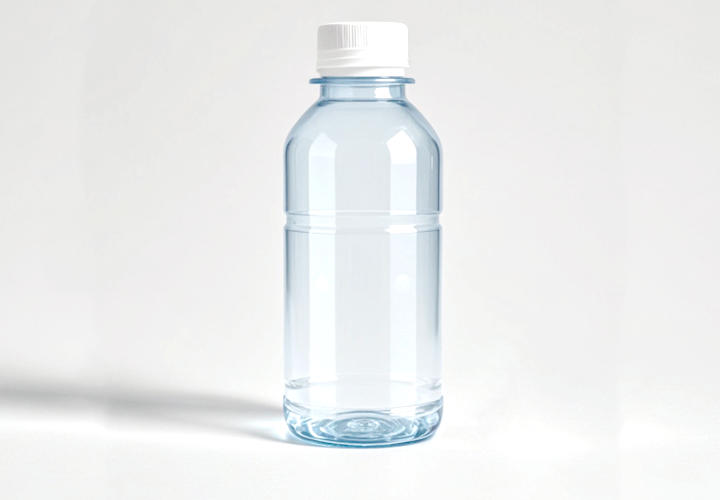
Blow molding is a manufacturing process used to create hollow plastic objects, such as bottles, containers, and other lightweight, hollow parts. It involves inflating heated plastic, usually in the form of a tube called a parison, into a mold cavity using compressed air. As the air expands the plastic, it presses against the interior walls of the mold, taking its shape. Once the plastic cools and solidifies, the mold is opened, and the final product is released.
Advantages of Blow Molding
Blow molding offers several advantages that make it a popular choice for manufacturing hollow plastic products. One key benefit is its cost-effectiveness, particularly for high-volume production runs, as it enables the efficient creation of large quantities of items like bottles, containers, and drums. The process is also highly versatile, accommodating a variety of shapes and sizes, from small bottles to large industrial containers. Additionally, blow molding allows for the production of lightweight products with thin, uniform walls, which can reduce material usage and shipping costs. The ability to mold complex shapes with minimal waste further enhances its appeal for industries like packaging, automotive, and consumer goods.
Applications of Blow Molding
Blow molding is widely used in various industries due to its ability to produce hollow, lightweight, and durable plastic products. In the packaging industry, it is commonly used for manufacturing plastic bottles, containers, and jars for beverages, cosmetics, and household products. The automotive industry benefits from blow molding for producing fuel tanks, air ducts, and other complex parts that require hollow structures. In the medical field, it’s used to create medical bottles, vials, and other pharmaceutical containers. Additionally, the consumer goods sector employs blow molding for items like sports equipment, toys, and storage containers. Its versatility makes it an ideal choice for high-volume production across these industries.
What Is Injection Molding?
Injection molding is a manufacturing process used to produce complex, solid plastic parts by injecting molten plastic into a mold. The process begins by melting plastic pellets, which are then injected under high pressure into a precisely shaped mold cavity. Once the plastic cools and solidifies, the mold is opened, and the finished part is ejected. This method is widely used for producing a variety of items, including automotive components, electronic housings, consumer goods, and medical devices. Injection molding is highly efficient for producing large quantities of identical parts with intricate designs. The process allows for precise control over dimensions and surface finishes, making it ideal for applications requiring high accuracy and consistency.
Advantages of Injection Molding
Injection molding offers several advantages that make it one of the most popular manufacturing processes for plastic parts. One of its key benefits is high efficiency in mass production, allowing for the creation of large quantities of identical, high-quality products at a rapid pace. It also provides precision and accuracy, making it ideal for complex designs and intricate details. Injection molding supports a wide range of materials, including thermoplastics, thermosetting plastics, and elastomers, giving manufacturers material flexibility for various applications. Additionally, it minimizes material waste due to its ability to recycle scrap material and provides a low per-unit cost for large production runs, making it cost-effective for high-volume manufacturing.
Applications of Injection Molding
Injection molding is used in a wide range of industries due to its versatility and ability to produce precise, durable parts. In the automotive industry, it’s employed to manufacture components like dashboards, bumpers, and interior trims. The electronics sector uses injection molding to produce housings for devices, connectors, and various small components. In the medical industry, it is essential to create items like syringes, medical equipment housings, and surgical instruments. The consumer goods sector relies on injection molding for products such as toys, kitchenware, and packaging materials. Additionally, the aerospace and defense industries use it to create lightweight, high-performance parts for aircraft and military equipment.

Key Difference Between Blow Molding and Injection Molding
When comparing blow molding vs injection molding, several key differences emerge, ranging from the manufacturing processes to the types of products they produce. Below is an in-depth look at the differences across five key areas: molding process, material and color options, mold design, products produced, and cost.
Molding Process
This process is primarily used to create hollow products. It involves heating plastic to form a tube or parison, which is then inflated using air pressure to take the shape of the mold. The plastic cools, solidifies, and is removed from the mold. Blow molding is ideal for making lightweight, hollow products like bottles, tanks, and containers.
Injection molding is used to produce solid parts with intricate designs. In this process, plastic pellets are melted and injected into a mold cavity under high pressure. The plastic fills the mold, cools, and solidifies, creating a detailed, solid part. Injection molding is excellent for producing components such as automotive parts, electronic housings, and consumer goods.
Material and Color Options
Blow molding materials are usually limited to certain thermoplastics like polyethylene (PE) and polypropylene (PP), which are suitable for hollow products. Color options in blow molding are generally more limited due to the simplicity of the process.
Injection molding offers a broader range of material options, including thermoplastics, thermosetting plastics, and elastomers, which allows for greater flexibility in the types of products it can create. Additionally, multiple colors can be introduced into the injection molding process, enabling more complex, multi-colored products.
Mold Design
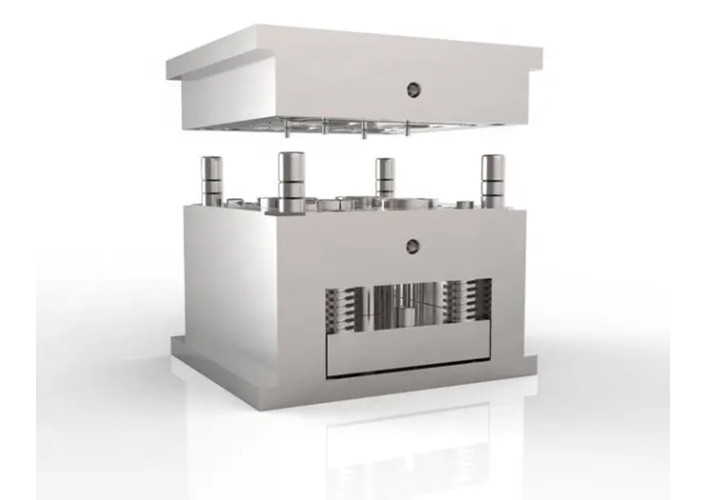
Blow molding molds are typically simpler and less expensive to produce compared to injection molds, as they only need to form the outer shape of the product. The mold primarily shapes the outside of hollow objects, so the design complexity is lower.
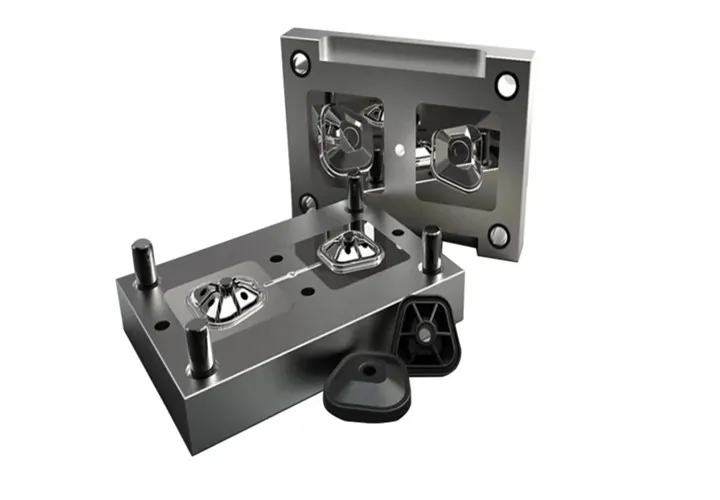
Injection Molding: Injection molds are more intricate and expensive because they must create precise and complex shapes with tight tolerances. The mold design needs to accommodate both the inner and outer structure of solid parts, making the process more detailed.
Products Produced
Blow Molding is ideal for hollow, lightweight products such as plastic bottles, fuel tanks, and containers. It excels in creating items with uniform wall thickness but is limited to simpler shapes.
Injection Molding is suited for producing detailed, solid products like car parts, medical devices, toys, and consumer goods. Injection molding can handle complex shapes with intricate details and tight tolerances.
Cost
Blow Molding is typically more cost-effective for producing large, high-volume hollow objects. The initial tooling costs are lower than injection molding, making it more affordable for manufacturers focused on products like bottles and containers.
While the per-part cost for injection molding can be low at high volumes, the upfront costs for mold creation are significantly higher due to the complexity of the mold design. However, for producing high-precision parts, the investment can be worthwhile.
Blow Molding vs Injection Molding: Which One Is Suitable?
Choosing between blow molding vs injection molding depends on the specific needs of the customer. The table below highlights the key differences to help you make an informed decision based on your project requirements.
| Criteria | Blow Molding | Injection Molding |
| No post-processing needed | No | Yes |
| Can produce precision parts for engineering applications | No | Yes |
| Cost | Lower tooling costs, ideal for large hollow objects. | Higher initial tooling costs, but cost-effective for high-volume, complex parts. |
| Speed | Faster for producing hollow, simple shapes. | Slower setup but efficient for large-scale production with intricate designs. |
| Materials that can be molded | Thermoplastics Thermoplastic elastomers | Thermoplastics, Thermosets, Thermoplastic elastomers, Thermoplastic polyurethane, Metal powder in a plastic matrix |
Therefore, if you’re producing hollow products like bottles, tanks, or containers in large volumes, blow molding is an ideal and cost-effective choice. It’s suitable for industries like packaging and automotive where hollow structures are required. For complex, solid parts that require precision, like consumer electronics, medical devices, or automotive components, injection molding is the better option. Injection molding offers flexibility in material choices and is excellent for detailed designs with high production accuracy.
At ACO Mold, we specialize in injection molding and offer one-stop manufacturing services. We provide custom injection molds and injection molded parts to industries such as consumer electronics, household applications, automotive, medical, and agriculture. With clients in more than 20 countries, ACO Mold delivers high-quality, precise parts tailored to your specific needs. Whether you’re looking for complex designs or high-volume production, ACO Mold has the expertise to meet your requirements.

Conclusion
In conclusion, understanding the key differences between blow molding vs injection molding is essential for selecting the right manufacturing process for your project. Blow molding is best suited for producing hollow, lightweight products such as bottles and containers, while injection molding is ideal for creating solid, detailed components like automotive parts and electronic housings. Each method offers its own advantages in terms of cost, speed, materials, and product complexity, depending on your specific production needs. For those seeking precision and flexibility in producing complex parts, injection molding, like the services offered by ACO Mold, remains a top choice across various industries.