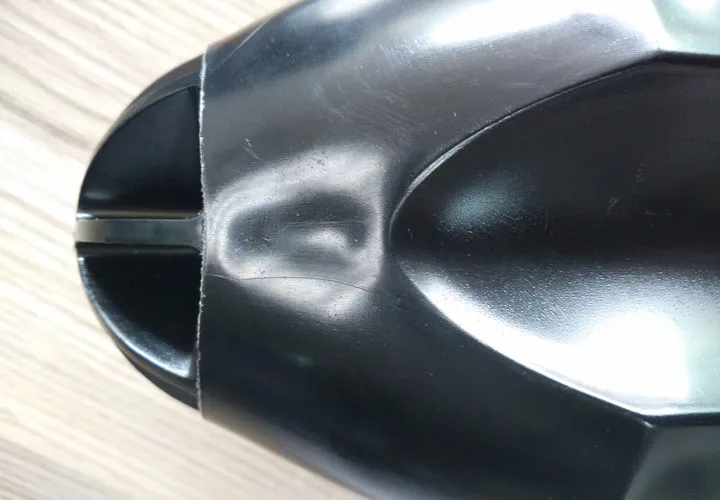
In plastic molding, defects are a common challenge that can impact the quality and performance of the final product. From warping to sink marks, defects in plastic molding can result from various factors, including material selection, mold design, or incorrect processing parameters. Understanding these issues and knowing how to avoid them is essential for ensuring a smooth manufacturing process and delivering high-quality parts.
In this guide, we will explore the most common defects in plastic molding, such as flashing, short shots, and burn marks, and provide effective solutions to prevent them. Whether you are involved in injection molding for automotive, electronics, or consumer goods, these insights can help minimize production flaws and boost overall efficiency. By identifying the root causes of these defects, you can optimize your processes, reduce waste, and improve product reliability. Keep reading to learn practical strategies to address these common plastic molding issues and achieve consistent results in your manufacturing projects.
What Are Plastic Injection Molding Defects?
Plastic injection molding defects are imperfections or flaws that occur during the injection molding process, impacting the quality and appearance of the final plastic parts. These defects can arise due to various factors such as improper mold design, incorrect material selection, or incorrect processing parameters like temperature, pressure, and cooling times. Common plastic injection molding defects include warping, sink marks, short shots, flashing, and burn marks. Identifying and addressing these issues early in the process is essential to ensure the production of high-quality, durable parts. By understanding the causes of these defects and implementing the right solutions, manufacturers can significantly reduce waste, improve efficiency, and enhance product performance.
10 Injection Molding Defects: Causes & Solutions
Injection molding can result in various defects in plastic molding that impact the quality of finished products. Understanding the common causes of these defects and their solutions is crucial to maintaining production efficiency and delivering high-quality parts. Here are 10 key defects and how to address them.
1. Sink Marks
Sink marks are small depressions or indentations that appear on the surface of a molded plastic part. They occur when the inner material of the part cools and contracts more than the outer material, often in thicker sections. This uneven shrinkage pulls the surface inward, creating a visible dent or mark. Sink marks are one of the common defects in plastic molding, and they can negatively impact the appearance and sometimes the strength of the part if not controlled properly.
Causes:
- Thick sections of the part cool more slowly, causing the surface to sink.
- Insufficient packing pressure during the molding process.
- Inadequate cooling time or uneven cooling.
Solutions:
- Design parts with uniform wall thickness to promote even cooling.
- Increase packing pressure to ensure the material fills out completely.
- Extend the cooling time or optimize the cooling system to prevent uneven shrinking.

2. Flow lines
Flow lines are visible streaks, patterns, or wavy lines that appear on the surface of a molded plastic part, usually following the flow of the molten plastic as it fills the mold. These lines are often caused by variations in the speed or direction of the material as it cools, or due to changes in temperature or pressure during the injection process. Flow lines can affect the appearance of the part and may indicate uneven material distribution, potentially leading to weakened areas in the part if not properly addressed.
Causes:
- Inconsistent cooling rates as the plastic flows into the mold.
- Low injection speed or pressure causes the plastic to cool too quickly during flow.
- Sudden changes in wall thickness or sharp corners in the mold design.
- Improper gate location or size, leading to uneven flow distribution.
Solutions:
- Increase injection speed and pressure to ensure even material flow.
- Optimize mold design by ensuring smooth transitions and consistent wall thickness.
- Adjust the cooling system to maintain even cooling throughout the mold.
- Reposition or resize the gate to promote uniform flow into the mold cavity.

3. Short Shot
Short shot occurs when the molten plastic does not completely fill the mold cavity, resulting in an incomplete or missing section of the molded part. This defect compromises both the appearance and functionality of the part and can occur due to a variety of processing or design issues.
Causes:
- Insufficient material was injected into the mold.
- Low injection pressure or speed prevents the plastic from fully filling the cavity.
- Blockages or obstructions in the mold gate or runners.
- Improper material heating leads to poor flow.
- Complex part design with thin walls or difficult-to-fill areas.
Solutions:
- Increase injection pressure and speed to ensure the mold is fully filled.
- Clear any blockages from the mold gate or runners.
- Raise the material temperature to improve flow.
- Optimize part and mold design to facilitate better material distribution, particularly in thin or complex areas.

4. Flash
Flash refers to a thin layer of excess plastic that leaks out of the mold cavity and solidifies around the edges of the molded part, typically along the parting line or vent areas. It occurs when molten plastic escapes due to improper sealing of the mold halves or excessive pressure during the injection process.
Causes:
- Excessive injection pressure pushes the material out of the mold cavity.
- Insufficient clamping force, leading to gaps between mold halves.
- Worn or damaged mold surfaces, allowing plastic to seep out.
- Misalignment of mold components, resulting in an incomplete seal.
Solutions:
- Reduce injection pressure to prevent material from escaping.
- Ensure proper clamping force to maintain a tight seal between mold halves.
- Repair or replace worn or damaged mold components.
- Check and correct mold alignment for a proper fit.

5. Surface Delamination
Surface delamination refers to a defect where thin layers or flakes appear on the surface of the molded part, making it look like the material is peeling or separating. This issue often arises when incompatible materials are used, or when contaminants are introduced during the molding process, leading to poor adhesion between layers.
Causes:
- Contamination of the material with foreign substances or incompatible plastics.
- Excess moisture in the material causes steam or gas bubbles during molding.
- Low-quality or recycled materials with inconsistent properties.
- Improper mold temperature leads to incomplete fusion of the plastic layers.
Solutions:
- Ensure the material is free from contamination and use only compatible plastics.
- Thoroughly dry the material before molding to remove excess moisture.
- Use high-quality, consistent materials, avoiding low-grade or heavily recycled plastics.
- Adjust mold temperature and injection parameters to promote proper material fusion and surface smoothness.

6. Warping
Warping is a deformation that occurs when a molded part bends or twists out of shape after cooling. This defect is caused by uneven shrinkage during the cooling process, leading to internal stresses that distort the part. Warping can affect the dimensional accuracy and overall appearance of the molded part.
Causes:
- Uneven cooling of the part, especially in areas with varying wall thicknesses.
- Inconsistent material flow or improper mold design.
- Using materials with high shrinkage rates.
- Inadequate packing pressure or cooling time.
Solutions:
- Design parts with uniform wall thickness to ensure even cooling.
- Adjust the cooling system for consistent temperature distribution throughout the mold.
- Use materials with lower shrinkage rates to minimize distortion.
- Increase packing pressure and cooling time to reduce internal stress in the molded part.

7. Burning/Air Trapping
Burn marks are discolorations, often black or brown, that appear on the surface of the molded part. They are caused by the overheating of the material or trapped air/gases during the molding process. Burn marks not only affect the visual quality but can also weaken the structural integrity of the part.
Causes:
- Trapped air or gases in the mold cavity lead to combustion when compressed.
- Excessively high melt temperature or prolonged material heating.
- High injection speed causes friction and overheating.
- Poor mold venting, preventing air and gas escape.
Solutions:
- Improve mold venting to allow trapped air and gases to escape.
- Reduce injection speed and pressure to prevent overheating.
- Lower the material’s melt temperature and avoid excessive heating times.
- Ensure mold design minimizes air entrapment by using properly positioned vents and gates.

8. Gas Marks
Gas marks are visible blemishes or burn-like discolorations on the surface of a molded part, often appearing as black or brown spots. This defect occurs when trapped air or gases within the mold cavity cannot escape and become compressed during the injection process, leading to overheating and burning of the plastic.
Causes:
- Trapped air or gas inside the mold cavity due to poor venting.
- High injection speed or pressure, forces gases to compress and overheat.
- Inappropriate gate design or placement prevents the smooth escape of gases.
- Moisture in the plastic material can turn into steam during molding.
Solutions:
- Improve venting in the mold design to allow trapped gases to escape more easily.
- Reduce the injection speed and pressure to minimize the risk of gas compression.
- Optimize the gate location and design to enhance the material flow and gas evacuation.
- Ensure the plastic material is properly dried before molding to avoid moisture-related gas formation.

9. Vacuum Voids/Air Bubble
Vacuum voids are small air pockets or cavities that form inside the molded part, often causing structural weaknesses. These defects occur when trapped air or insufficient material packing creates empty spaces within the part, compromising both its appearance and integrity.
Causes:
- Insufficient packing pressure, leaving gaps or air pockets inside the mold.
- Poor mold design with uneven wall thickness or improper gate location.
- Inadequate material flow or cooling causes uneven filling of the mold.
- Trapped air is not properly vented from the mold cavity.
Solutions:
- Increase packing pressure to ensure the mold is completely filled and compressed.
- Redesign the mold to ensure uniform wall thickness and better material flow.
- Adjust the cooling time to allow for complete material solidification.
- Improve mold venting to allow trapped air to escape before the plastic solidifies.

10. Weld Lines
Weld lines are visible lines or seams that form where two separate flow fronts of molten plastic meet but do not completely bond during the injection molding process. These lines can weaken the structural integrity of the part and detract from its appearance.
Causes:
- Multiple flow fronts converge due to complex part geometry or multiple gates.
- Inadequate melt temperature, causing poor fusion of the plastic at the meeting points.
- Low injection speed or pressure leads to weak bonding at the weld points.
- Contaminants or additives in the plastic material that hinder proper bonding.
Solutions:
- Increase the melt temperature to improve bonding between the flow fronts.
- Raise injection speed and pressure to ensure the complete fusion of the plastic at weld points.
- Optimize mold design to minimize the number of weld lines by improving gate locations.
- Use higher-quality materials and avoid additives that could prevent proper bonding.

Work with ACO Mold—- An Experienced Injection Company
ACO Mold is a trusted and experienced injection molding company that specializes in producing high-quality plastic parts while minimizing defects such as sink marks, warping, and weld lines. With years of industry experience, ACO Mold uses advanced technology and expert engineering to ensure that your plastic parts meet the highest standards of quality and functionality. Here’s how ACO Mold helps prevent common defects in plastic molding:
- Expert Mold Design
- Precise Injection Control
- Advanced Material Selection and Processing
- Efficient Mold Cooling and Venting Systems
- Rigorous Quality Control
At ACO Mold, we offer customized solutions by tailoring our injection molding process to meet your specific requirements, ensuring defect-free results every time. With cutting-edge technology and the latest equipment, we produce high-quality, precise parts while minimizing common defects like sink marks, warping, and short shots. Our experienced team of engineers, with extensive expertise in mold design and plastic injection, identifies and addresses potential defects early in the process, ensuring smooth production. Additionally, our reliable production is backed by stringent quality control measures, guaranteeing high-performance parts in every production run. By partnering with ACO Mold, you collaborate with a company dedicated to both quality and efficiency, with the know-how to overcome the challenges of injection molding and deliver parts that meet the highest standards.
Conclusion
In conclusion, understanding and addressing defects in plastic molding is essential for producing high-quality, durable parts. From sink marks to warping and short shots, these common defects can be effectively prevented through proper mold design, optimized processing parameters, and careful material selection. By taking proactive measures and working with an experienced injection molding partner, manufacturers can minimize defects, reduce waste, and improve overall product quality. Identifying the root causes and applying targeted solutions ensures a smoother, more efficient molding process, ultimately leading to consistent and reliable results.