I. Introduction
Injection molding with nylon-reinforced plastic is transforming the manufacturing industry with its unparalleled advantages. This advanced material combines the lightweight properties of traditional plastics with the enhanced strength and durability of reinforced composites, making it a superior choice for demanding applications. Industries such as automotive, aerospace, and consumer goods increasingly rely on nylon-reinforced plastic for its exceptional mechanical properties, wear resistance, and ability to perform under stress.
Unlike conventional materials, nylon-reinforced plastic offers superior dimensional stability, resistance to chemicals, and the capability to withstand harsh environmental conditions. These qualities not only extend product lifespans but also reduce maintenance and overall production costs. In this article, we’ll delve into the many reasons why injection molding with nylon-reinforced plastic is a top choice for manufacturers, highlighting its versatility, cost-effectiveness, and performance benefits.
II. Overview of Nylon Plastic
(A) What is Nylon?
Nylon is a versatile synthetic polymer that is widely used in various industrial applications, including injection molding. Initially created by DuPont in the 1930s, it has become one of the most commonly used plastics due to its durability, strength, and adaptability. When used in injection molding with nylon-reinforced plastic, it offers enhanced properties that make it ideal for producing high-performance parts in industries like automotive, consumer goods, and electronics.
(B) Types of Nylon Plastic Material
Nylon is not a single material but a group of plastics that vary in their chemical structure and properties. Here are some common types of nylon used in injection molding:
- Nylon 6: Known for its toughness and impact resistance, Nylon 6 is often used in automotive components and consumer goods.
- Nylon 66: Offers superior strength, heat resistance, and chemical stability, making it ideal for applications in harsh environments, such as industrial machinery.
- Nylon 12: This variant has lower moisture absorption, making it suitable for applications where dimensional stability is critical, such as in electronic components.
- Nylon 46: Known for its excellent heat resistance and strength at elevated temperatures, Nylon 46 is often used in high-performance automotive and aerospace components.
The addition of reinforced nylon (such as glass-fiber-reinforced or carbon fiber-reinforced nylon) in the injection molding process improves the material’s overall strength and stiffness, making it even more suitable for demanding applications.
(C) Key Properties of Nylon
Nylon offers several key properties that make it a popular choice for injection molding with nylon-reinforced plastic:
- Strength and Durability: Nylon is renowned for its high tensile strength and resistance to wear and tear. When combined with reinforcement, such as glass fibers, the material becomes even stronger, improving its performance in heavy-duty applications.
- Impact Resistance: Nylon can absorb shock and resist impact, which is particularly valuable in automotive and industrial applications where components need to withstand physical stress.
- Chemical Resistance: Nylon resists corrosion and degradation from chemicals and oils, making it suitable for harsh environments like automotive and manufacturing industries.
- Heat Resistance: Certain types of nylon, like Nylon 66, can withstand high temperatures without losing their structural integrity, making it ideal for use in engines, electrical parts, and other heat-intensive applications.
- Low Friction: The low friction properties of nylon make it useful in mechanical parts, where smooth movement and reduced wear are critical.
With the right nylon-reinforced plastic, manufacturers can leverage these benefits for better product performance, making it a go-to material in injection molding applications. This combination of strength, resistance, and durability is why nylon-reinforced plastic is commonly used in everything from consumer products to automotive and aerospace components.

III. What are the Processing Methods of Nylon
Nylon, due to its versatile properties, can be processed using several different methods depending on the specific application. Below, we explore three common processing techniques used with nylon-reinforced plastic: Nylon Injection Molding, Nylon Extrusion, and Nylon CNC Machining.
(A) Nylon Injection Molding
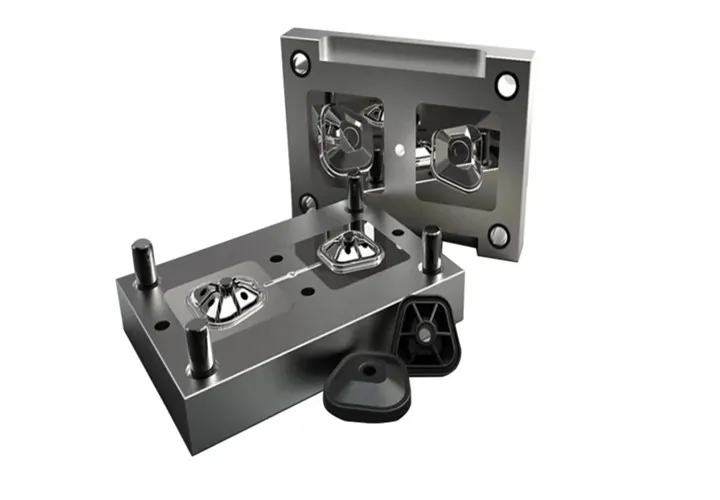
Nylon injection molding is a widely used technique for producing parts with intricate shapes and high precision. In this process, molten nylon is injected into a mold cavity under high pressure, where it cools and solidifies into the desired shape. The use of nylon-reinforced plastic in injection molding enhances the strength and durability of the parts, making them ideal for industries that require strong, impact-resistant components, such as automotive, electronics, and consumer goods. The process is highly efficient for large production runs, offering cost-effective manufacturing with minimal waste.
(B) Nylon Extrusion
Nylon extrusion is used to produce continuous shapes like sheets, rods, or tubes by melting nylon plastic and forcing it through a mold. The material cools and solidifies into the desired profile, which can then be cut or shaped further. This method is particularly cost-effective for producing parts with simple, repetitive shapes and is ideal for applications requiring long lengths, such as pipes and profiles used in construction or automotive industries. When combined with nylon-reinforced plastic, extrusion offers added strength and durability, making it suitable for parts that need to withstand demanding environments.
(C) Nylon CNC Machining
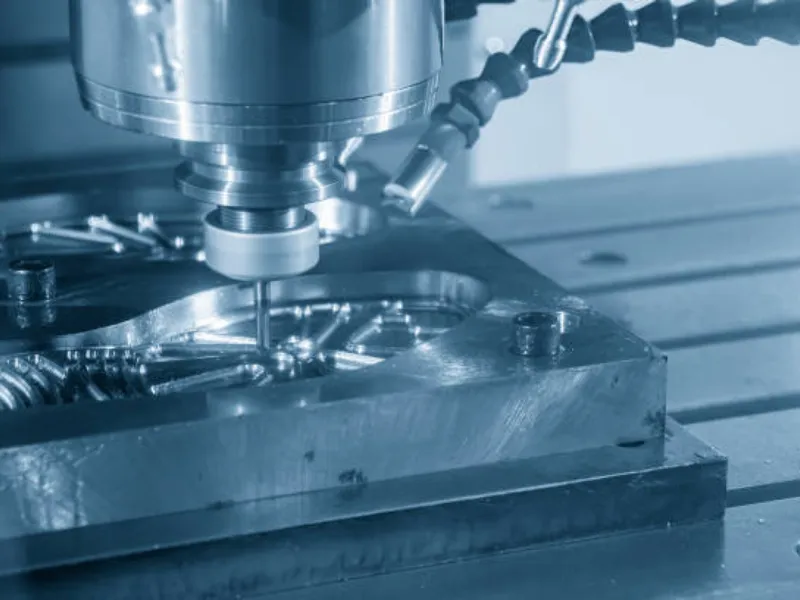
Nylon CNC machining involves using computer-controlled equipment to cut and shape nylon from solid blocks or sheets with high precision. This method is ideal for parts that require fine tolerances, intricate details, or complex geometries. CNC machining is particularly valuable for low-volume production or prototyping, where customized parts or small batches are needed. The use of nylon-reinforced plastic in CNC machining provides enhanced strength and durability, making the final parts suitable for high-performance applications in industries like aerospace, automotive, and medical.
IV. Nylon Injection Molding: What You Should Know
(A) Benefits of Injection Molding with Nylon-Reinforced Plastic
1. Enhanced Strength and Durability
One of the standout features of injection molding with nylon-reinforced plastic is its exceptional strength and durability. The addition of reinforcements, such as glass or carbon fibers, significantly boosts the material’s ability to withstand impact, wear, and high temperatures. This makes it an ideal choice for producing tough, long-lasting parts required in industries like automotive, heavy machinery, and electronics.
2. Cost-Effective Manufacturing
Nylon-reinforced plastic in injection molding is also highly cost-effective for high-volume production runs. The process allows for precision and repeatability, reducing the need for post-production work and minimizing waste, which lowers overall production costs over time.
3. Lightweight Yet Strong
Despite its remarkable strength, nylon-reinforced plastic remains lightweight. This characteristic is particularly advantageous in industries such as aerospace and automotive, where reducing the weight of components can improve fuel efficiency and overall product performance.
4. Exceptional Wear and Tear Resistance
Nylon is naturally resistant to wear and tear, and when reinforced, its ability to endure repeated friction or harsh environments is further enhanced. This makes nylon-reinforced plastic an excellent option for parts that require continuous movement or exposure to abrasive conditions, such as gears, bearings, and mechanical components.

(B) Conditions of Nylon Injection Molding Process
1. Nylon Injection Molding Temperature
The temperature at which nylon is injected plays a crucial role in ensuring proper flow and mold filling. Nylon-reinforced plastic typically requires a mold temperature of around 200–270°C, depending on the type of nylon used. High temperatures ensure that the material flows smoothly into the mold, filling every corner and detail of the design.
2. Injection Pressure
The pressure applied during the injection process ensures that the molten nylon is forced into the mold cavity with sufficient force to create precise parts. For nylon-reinforced plastic, the injection pressure typically ranges between 800 to 1500 bar, depending on the part’s complexity and size.
3. Injection Speed
The speed at which the nylon is injected affects the flow rate and quality of the molded part. A higher injection speed may be necessary for parts with thin walls or intricate details. However, it’s essential to balance the speed to avoid defects like flash or incomplete mold filling.
4. Cooling Time
Cooling time is critical to the process, as it determines how quickly the part solidifies and can be removed from the mold. For nylon-reinforced plastic, the cooling time may vary depending on the material’s thickness and the mold’s design. Proper cooling ensures that the final part maintains its shape and strength.
5. Mold Design
A well-designed mold is essential for ensuring a smooth and efficient nylon injection molding process. The mold must allow for optimal material flow and cooling, as well as accommodate any reinforcement used in the nylon-reinforced plastic. Factors such as gate design, venting, and mold cooling channels are critical to achieving high-quality parts.
6. Drying
Nylon has a natural tendency to absorb moisture from the air, which can affect its performance during the molding process. Drying the nylon material before injection molding is essential to prevent defects like bubbles, poor surface quality, or dimensional instability. Typically, nylon is dried to a moisture content of less than 0.02% before injection molding.
(C) Key Considerations for Successful Nylon Injection Molding
Several key factors should be considered when working with nylon-reinforced plastic for injection molding. First, choosing the correct type of nylon—whether Nylon 6, Nylon 66, or another variation—depends on the required strength, thermal stability, and other application-specific properties.
Mold design, material flow, and cooling rates must also be carefully monitored to avoid defects and maximize the overall quality of the parts. Additionally, the choice of reinforcement material (such as glass or carbon fibers) can impact processing conditions and the final properties of the part.
Lastly, ensuring proper drying of nylon before molding is essential to prevent moisture-related defects, ensuring that the end product meets the desired performance standards for demanding applications.
V. How Nylon-Reinforced Plastic Enhances Injection Molding Quality
Nylon-reinforced plastic enhances injection-molded parts with improved mechanical strength, thermal resistance, and aesthetic quality. It provides a reliable solution for high-performance components. Partnering with ACO Mold ensures these benefits are maximized to deliver durable, high-quality products.
(A) Enhanced Mechanical Strength, Durability, and Dimensional Stability
Nylon-reinforced plastic significantly improves the mechanical strength and durability of injection-molded parts. The addition of reinforcement fibers, such as glass or carbon, increases the material’s ability to withstand higher loads, resist deformation, and maintain stability under stress. This makes it ideal for applications in demanding industries like automotive, aerospace, and heavy machinery, where parts need to endure harsh conditions without compromising performance.
(B) Improved Thermal and Chemical Resistance
Nylon-reinforced plastic offers superior heat resistance, allowing parts to perform better under high temperatures. Reinforced nylon also exhibits excellent chemical resistance, making it ideal for components exposed to oils, solvents, or corrosive substances. These enhanced properties prevent warping or degradation, ensuring the longevity and reliability of the molded parts.
(C) Superior Surface Finish and Aesthetic Quality
Nylon-reinforced plastic offers a smooth and uniform surface finish thanks to the reinforcement fibers. This is particularly important in industries where visual appeal is just as crucial as functionality, such as in consumer goods and electronics. ACO Mold uses state-of-the-art molding techniques to ensure that parts are not only durable but also meet high aesthetic standards. The result is injection-molded components with a superior surface finish that enhances the overall quality of the product, ensuring it stands out in both performance and design.
VI. Nylon vs Other Plastic Materials
When selecting a material for injection molding, it’s important to compare nylon with other popular plastics, like ABS, polycarbonate, and PVC. Each material has its unique characteristics, making it suitable for different applications. Below is a detailed comparison of nylon with other commonly used plastic materials.
| Property | Nylon | ABS | Polycarbonate | PVC |
| Strength | High strength and durability | Moderate strength, less durable | High strength and toughness | Moderate strength, brittle |
| Impact Resistance | Excellent | Moderate | Superior impact resistance | Low impact resistance |
| Heat Resistance | Good (up to 250°F/121°C) | Moderate (up to 200°F/93°C) | Excellent (up to 300°F/149°C) | Low (up to 140°F/60°C) |
| Chemical Resistance | High | Low | Moderate | Low |
| Clarity | Opaque | Opaque | Transparent | Opaque |
| Flexibility | High | Low | Moderate | Low |
| Cost | High | Low | High | Low |
| Environmental Impact | Moderate | Moderate | High (can release BPA) | High (PVC production is toxic) |
| Aesthetic | Good surface finish | Smooth, glossy finish | High clarity and finish | Rough, not used for aesthetics |
VII. Applications of Nylon Injection Molding
Nylon injection molding is widely used across several industries due to its strength, durability, and heat resistance. Below are some of the key sectors where injection molding with nylon-reinforced plastic proves invaluable.

1. Automotive Industry
In the automotive industry, nylon injection molding is utilized for producing critical components such as gears, bearings, and under-the-hood parts. These parts are designed to handle high temperatures, wear, and harsh conditions. Nylon’s lightweight yet durable properties also help reduce the overall weight of vehicles, contributing to better fuel efficiency and performance. Examples include components like radiator fans, fuel system parts, and airbag housings.
2. Electronics Manufacturing
The electronics industry benefits from nylon injection molding for parts like electrical connectors, switches, and protective enclosures. Nylon’s insulating properties and ability to withstand high temperatures and wear make it an ideal material for producing durable and reliable components. Common products made from nylon include computer cases, phone housings, circuit board holders, and insulators.
3. Consumer Goods
Nylon-reinforced plastic is widely used in the production of various consumer goods, such as household appliances, sports equipment, and toys. Its combination of strength and lightweight properties makes it ideal for items like vacuum cleaner parts, kitchen appliances, tennis rackets, bicycle pedals, and action figures. These products benefit from nylon’s resistance to wear and its ability to maintain shape and function over time.
4. Medical Devices
Nylon’s strength, sterilization resistance, and precision make it an ideal material for medical devices. Common applications include surgical instruments like forceps and scalpels, diagnostic equipment such as thermometers and blood pressure cuffs, and prosthetics. Injection molding with nylon-reinforced plastic ensures that these devices are durable, easy to sterilize, and able to withstand the stresses of medical environments.
5. Aerospace
In aerospace, the need for lightweight yet strong components is critical. Nylon injection molding is used to produce parts such as fuel system components, bushings, and interior fittings. These components must endure extreme conditions like high temperatures and pressure. Nylon’s resistance to wear and ability to be molded into complex shapes make it ideal for reducing weight while maintaining strength and reliability.
6. Industrial Applications
Nylon is also widely used in industrial applications, where its wear resistance and mechanical strength are essential. Components such as conveyor belts, gears, bearings, seals, and bushings are made using nylon-reinforced plastic. These parts need to endure continuous motion, heavy loads, and abrasive environments, making nylon’s durability and strength a perfect fit for industrial machinery and equipment.
VIII. Conclusion
Injection molding with nylon-reinforced plastic enhances parts with exceptional strength, thermal resistance, and aesthetic appeal. It’s the ideal solution for high-performance components across various industries. Partnering with ACO Mold ensures you maximize the benefits of nylon-reinforced plastic in your nylon injection molding projects. Contact ACO Mold today to take advantage of these advantages and create durable, reliable products.