July 14, 2022

Using mold to make plastic parts

blog injection molding

Table of Contents

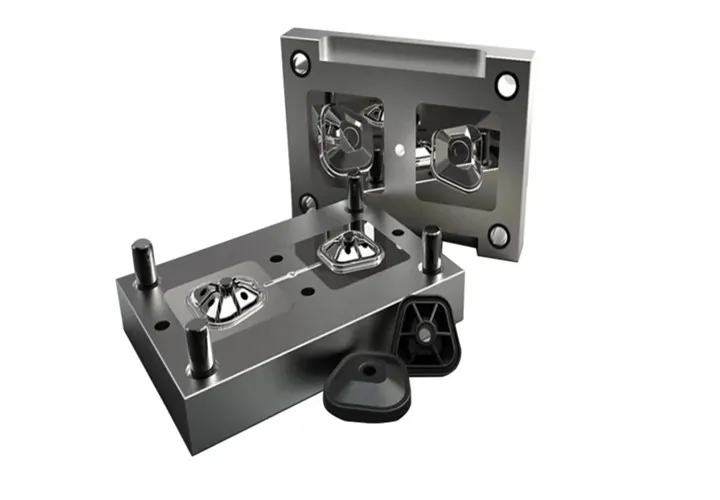
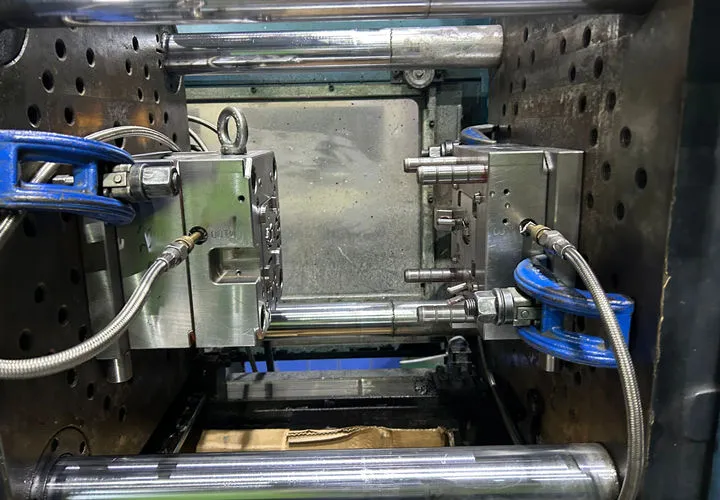
Using the mold to make plastic parts or Nylon part, depending on the application, one long core pin from one end of part. Cores mounted on top of mold.

The plastics are molded in the vertical position in the mold. The ID of these parts or Zero draft, to allow for the mixing elements to be inserted without regard to position – they fit either way and must be a snug fit to the ID of the nozzle. Water bubblers run the entire length of each core with a threaded tip on the end – water tight with a little super glue.

The molding operation is like this

  1. Mold opens.
  2. Extraction forward- which moves a large header bar (that holds the core pins) forward for the molded plastic part to clear the core. Also one or 2 EJ pins/part. The “header block” rides/moves on a large pair of guide pins because it is somewhat heavy and needs to withstand the force of the extraction of the core pins. It consists of 2 pieces, stripper plate and a pin plate.
  3. Hydraulic cylinder mounted on a frame above the top to the mold is attached to the pin plate. The cylinder pulls the pinplate up with all the pins. The stripper plate, which is on the guide pins stays stationary and parts drop out the bottom.
  4. Extraction back.
  5. Mold closes.
  6. Hydraulics forward.

They are open on the bottom end because they are dispensing plastics. So there is no issue with vacuum resistance internally and it provides for the core to be clocked between the mold halves.

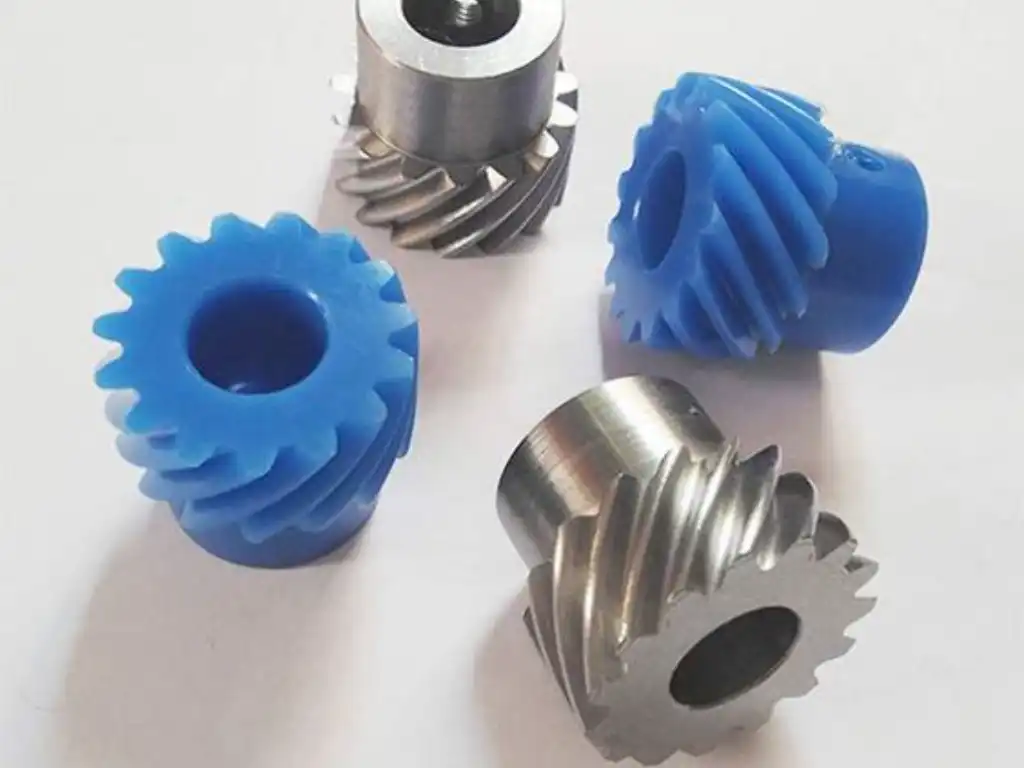
They make parts like this from about 7mm dia (ID) x 40mm long in increments up to about 50mm (ID) to 350mmL. They use the same mold and pins for plastic parts and nylon parts. It depends on the application.

They are used primarily (with the internal mixing elements) for dispensing 2 component materials such as epoxies and adhesives. They are a one-time use throw away item, so they make millions of these. Another injection mold company who makes the same item is a company called Aco Mold. You might look for their web site also for technical/size information.
Related Blogs

screw boss
The 101 Guide on Screw Boss Design
The part of a product where screws fit, also known as the screw boss design, is extremely crucial as it is the aspect that makes plastic parts. Screw bosses are...
plastic molding types
Mold Standards
Abstract This study presents a comprehensive investigation into the methodologies and implementation strategies for establishing an advanced mold standards system in the injection molding industry. By synergistically integrating customer-centric requirements...
blog aco mold
Pre-drying injection materials
I've seen thought-to-be-dried materials giving such splays, randomly appearing from one shot to the other. After spending times on many other things we measured the moisture content, although granules were...
blog aco mold
Mold Venting
The air trapped in the mold cavity must be able to escape during injection molding process, if the vents are insufficient, the air will be compressed in the cavity, the...
Injection molding warpage problem
There are only four primary variables in injection molding process that the plastic knows. They are: cavity pressure, melt temperature, flow rate and cooling rate. It is these variations in...
Injection Molding tolerance
How Thickness Injection Affects the Quality and Cost of Molded Products
Thickness injection is a critical aspect of the plastic injection molding process. It refers to the practice of controlling the wall thickness of a plastic part during the molding process....

Tell us your request right now and contact us today about getting started on your next project together!

Email:
sales@acomold.com

Or Fill Out The Contact Form Below:

Support Your Business with Better Molding Solution

Contact Info
Copyright © 2024, ACO Mold. Terms of Service and Privacy Policy. All rights reserved.  Powered by ACO MOLD.
1 1.png

Join Our Network

Please email to sales@acomold.com
or fill out the contact form below: