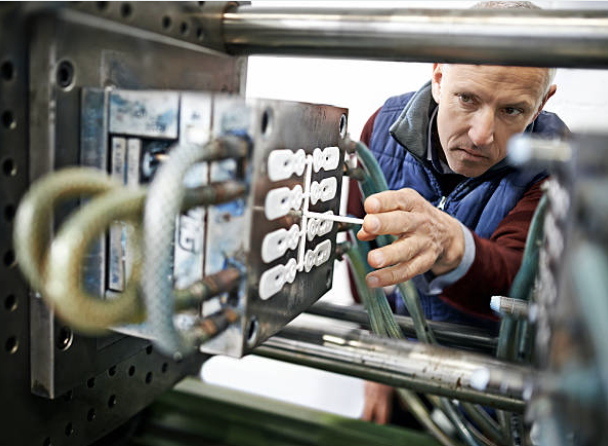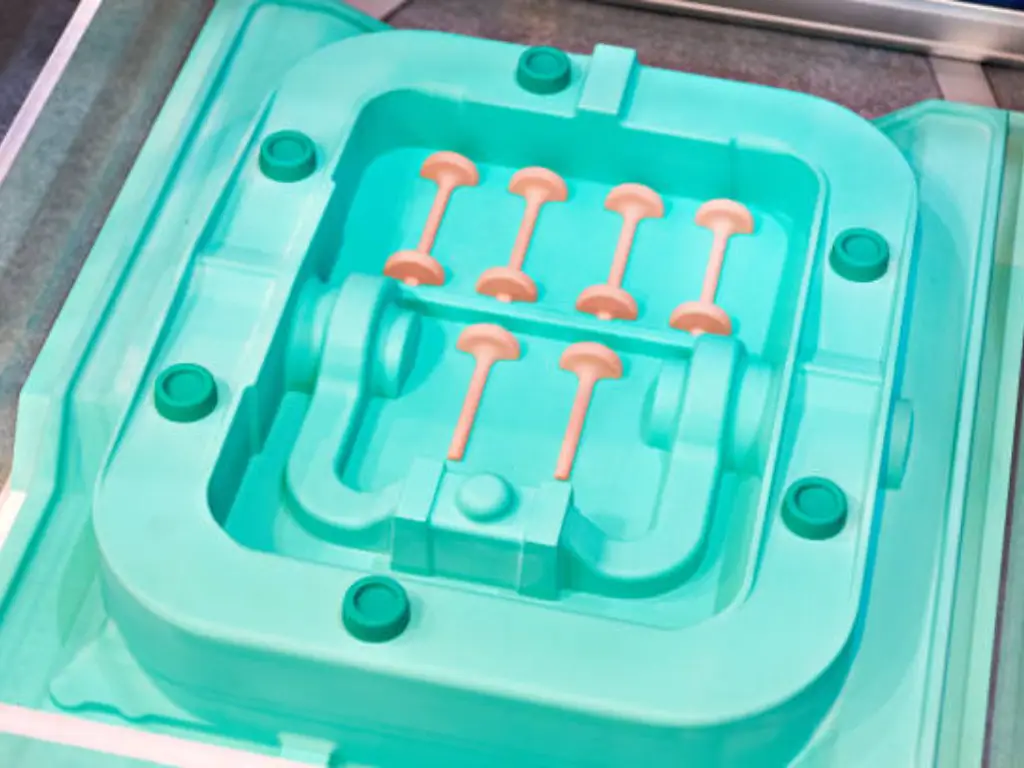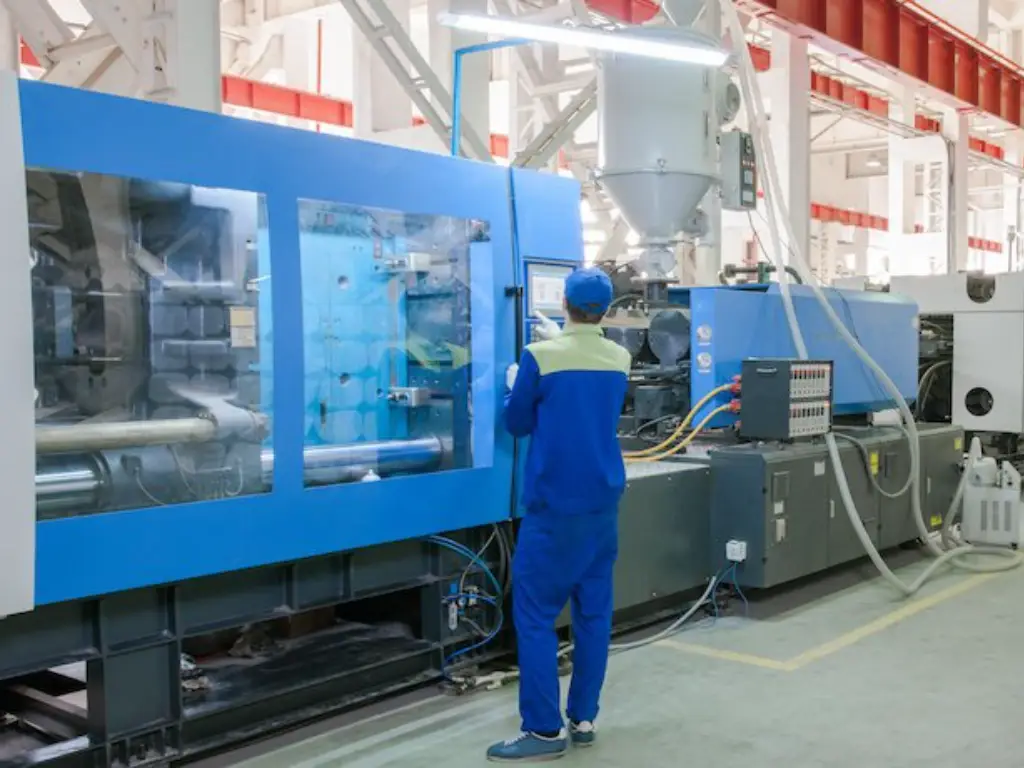
Mold design plays an indispensable role in modern manufacturing, and is crucial for product quality, production efficiency, and cost control. For learners who want to step into this field, mastering effective learning methods and approaches is the key.
The best way for you to learn mold design would be to work for a company that designs and makes a lot of molds. Do some research and try to get a job with a mold company that has a very good reputation. Try to find someone to learn from that has a lot of experience, good working skills and knowledge of mold design, and then learn everything from him or her that you can.
While having an education is good it will not give you everything you need to be a successful mold designer. You can learn to use CAD software and get a general idea of how molds are made in school but there is nothing like real life hands-on experiences in the factory to learn from.
It’s not so difficult to learn the mold design. First of all, you should have the knowledge of mechanical or something related about engineering. Secondly, you try to find a job on the mold making factory and get some real experiences on mold making. In this way, it can make you know how to design the mold is the best. Step by step, then learn the software and try to design the mold in the CAD. If you have some friends with a lot experiences on you back. You can be a good designer in a short time (2 or 3 years). Software is only a tool, the most important thing on mold design is knowledge and experience.
Ⅰ. Introduction to Mold Design and Its Importance
(A) The Crucial Role of Mold Design in Manufacturing
In today’s manufacturing industry, the significance of mold design is self-evident. Molds are like precise tools that can transform raw materials into products with specific shapes, sizes, and properties. Whether it’s automotive parts, electronic product casings, or daily plastic items, they all rely on mold shaping. A well-designed mold can ensure product consistency, accuracy, and high quality, significantly improving production efficiency and reducing production costs.
(B) Inspiring Interest in Learning Mold Design
Imagine the phone case in your hand, the dashboard of a car, or even a small plastic toy. Their initial forms all originated from the creativity and conception of mold designers. When you understand that mold design can turn abstract concepts into tangible items that bring convenience and fun to people’s lives, wouldn’t you be filled with curiosity and the desire to explore this field? This process of turning creativity into reality is undoubtedly a powerful motivation to inspire us to learn mold design.
Ⅱ. Fundamentals of Mold Design
(A) Classification and Applications of Molds
There are many types of molds, such as stamping molds, injection molds, die-casting molds, etc. Stamping molds are mainly used for the forming of metal sheets, such as automotive body panels; injection molds are suitable for the production of plastic products, like various plastic containers and electrical appliance casings; die-casting molds are often used to produce metal alloy products, such as automotive parts made of aluminum alloys. Understanding the characteristics and application scopes of different types of molds can help us select the appropriate mold type based on product requirements.
(B) Mold Structure and Components
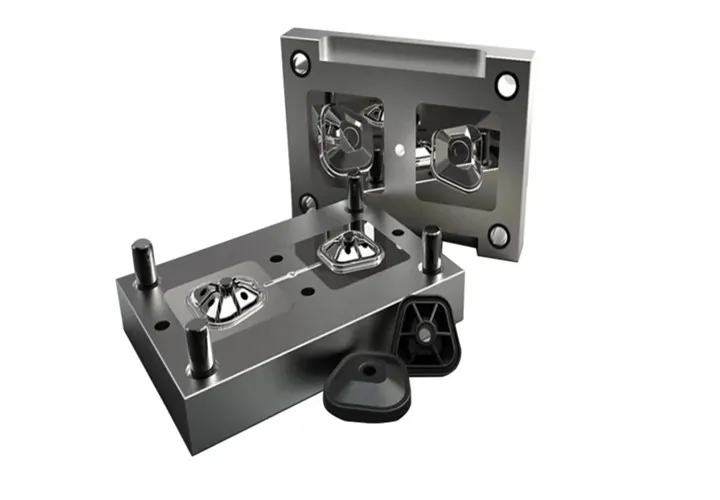
A complete mold typically consists of components such as cavities, cores, sliders, ejection mechanisms, and gating systems. Cavities and cores determine the external and internal structure of the product; sliders are used to form side recesses or holes on the product; ejection mechanisms ensure the smooth removal of the product from the mold; and the gating system is responsible for introducing the molten material into the cavity. Each component has its unique design requirements and functions, and they all work together to ensure the normal operation of the mold.
(C) Commonly Used Mold Materials and Their Properties
The selection of mold materials directly affects the lifespan of the mold and product quality. Commonly used mold steels such as Cr12MoV and SKD11 have high hardness, wear resistance, and compressive strength; aluminum alloys have the characteristics of light weight and good thermal conductivity, and are suitable for some molds with high heat dissipation requirements. Understanding the properties of different materials, such as hardness, toughness, and thermal stability, enables us to make reasonable material selections based on the working conditions of the mold and product requirements.
Ⅲ. Skills and Knowledge Required for Learning

(A) Mechanical Drawing and CAD Software Proficiency
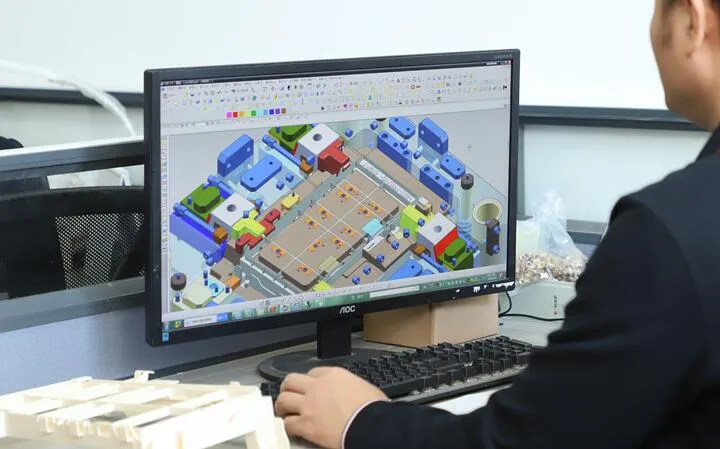
Mechanical drawing is the language of mold design, accurately expressing the structure and dimensions of the mold through views, sectional views, dimension markings, etc. Proficiently mastering CAD software, such as AutoCAD, SolidWorks, etc., can transform our design ideas into intuitive two-dimensional drawings and three-dimensional models. This not only helps us think about the design plan more clearly but also facilitates communication with others and subsequent processing and manufacturing.
(B) Materials Mechanics and Engineering Mechanics Principles
In mold design, knowledge of materials mechanics and engineering mechanics is essential. We need to understand the deformation, yield, fracture, and other behaviors of materials under stress, and how to withstand various loads through reasonable structural design. For example, when designing the cavity of an injection mold, it is necessary to consider the effect of the pressure of the plastic melt on the cavity wall and determine the appropriate wall thickness through calculations to prevent cavity deformation or cracking.
(C) Mold Manufacturing Processes Familiarity
Familiarity with mold manufacturing processes is crucial for designing molds that are highly manufacturable. Manufacturing processes such as turning, milling, grinding, and electrical discharge machining all have their characteristics and application scopes. For example, when designing the core of a mold, it is necessary to consider whether the subsequent processing methods can achieve the required accuracy and surface roughness. Understanding the limitations and requirements of manufacturing processes can avoid designing mold structures that are impossible to process or have excessively high processing costs.
Ⅳ. Learning Resources and Avenues
(A) Professional Textbooks and Reference Works
Domestic textbooks such as “Concise Handbook of Mold Design and Manufacturing” and “Practical Tutorial on Injection Mold Design” are great for beginners. Foreign books like “Mold Design Handbook” and “Injection Molding Handbook” also offer rich knowledge and cases.
(B) Online Courses and Education Platforms
In China, platforms like MOOC and Tencent Classroom offer a variety of mold design courses. Foreign platforms such as Coursera and Udemy also have many high-quality mold design courses taught by professionals, covering various contents from basic to advanced.
(C) Training Institutions and Practical Training Programs
There are many professional training institutions in China that provide face-to-face practical training courses, allowing learners to accumulate experience through practical operations. In foreign countries, such as Germany and Japan, which are developed manufacturing countries, there are also some well-known mold training institutions that usually have close cooperation with local enterprises and can provide the most cutting-edge technologies and practical experiences.
(D) Industry Forums and Communication Communities
Domestic forums such as China Mold Forum and ICax are good places for communication. Foreign forums like Mouldmaking Technology gather mold design practitioners from around the world, enabling you to access different design concepts and experiences from various countries.
By fully utilizing learning resources and approaches both domestically and internationally, we can broaden our horizons and learn mold design knowledge and skills more comprehensively and deeply.
Ⅴ. Practical Experience and Project Involvement
(A) Progressive Project Practice from Simple to Complex
In the early stages of learning, one can start by designing some simple mold structures, such as single-cavity injection molds or simple stamping molds. As skills improve, gradually take on more complex projects, such as multi-cavity injection molds or molds with sliders and angle lifters. Through actual project design, apply the theoretical knowledge learned to practice and continuously accumulate experience.
(B) Engagement in Actual Production Projects
If there is an opportunity to participate in actual production projects of enterprises, it will be an extremely valuable learning experience. In actual production, we can understand the debugging process of the mold on the production line, possible problems, and how to optimize and improve. At the same time, we can also learn how to collaborate with team members to complete project tasks together.
(C) Case Analysis and Imitative Innovation
Analyzing successful mold design cases is an effective way to improve one’s design level. By studying the design ideas, structural features, and problem-solving methods of others, we can draw experience and attempt to apply and innovate in our own designs. For example, studying some award-winning mold design works, understanding their innovation points and advantages, and then conducting imitation design based on similar requirements and making improvements and optimizations on this basis.
(D) Establishment of a Personal Portfolio
During the learning and practical process, it is important to organize and save your design works and establish a personal portfolio. The portfolio can not only showcase your learning achievements and design capabilities but also serve as a powerful proof when applying for jobs or communicating with clients. When organizing the portfolio, provide a brief description for each project, including design requirements, difficulties, solutions, and final results.
Ⅵ. Cultivation of Innovation and Problem-solving Skills
(A) Manifestation of Innovation in Mold Design
Innovation is the driving force promoting the continuous development of mold design. In design, innovation can be reflected in the optimization of mold structure, the application of new materials, the improvement of production processes, etc. For example, adopting a new ejection mechanism design can improve the ejection efficiency and quality of the product; using a new type of mold material can extend the service life of the mold. Innovative designs can not only bring competitive advantages to enterprises but also contribute to the development of the industry.
(B) Approaches to Addressing Design Challenges
During the mold design process, it is inevitable to encounter various problems, such as mold wear, product defects, and low production efficiency. In the face of these problems, we should not retreat but use systematic analysis methods to identify the root cause of the problem. We can try different solutions by consulting materials, seeking advice from experts, conducting experimental research, etc., until the problem is solved. At the same time, it is necessary to be good at summarizing experiences and lessons to avoid similar problems in future designs.
(C) Continuous Learning and Tracking of New Technologies
The mold design industry is constantly evolving, and new technologies and processes are emerging one after another. To maintain competitiveness, we must keep learning and pay attention to the latest developments in the industry. For example, the application of 3D printing technology in mold manufacturing is becoming more and more widespread. We need to understand its principles and advantages and consider how to integrate it into our designs; the development of intelligent molds is also a trend, which can realize real-time monitoring and control of the production process, improving production efficiency and product quality.

In conclusion, learning mold design is a systematic and long-term process that requires us to master solid basic knowledge, continuously accumulate practical experience, and cultivate innovative thinking and problem-solving abilities. By making full use of learning resources and actively participating in practical projects, we will definitely be able to make progress in the field of mold design and contribute to the development of the manufacturing industry.