Thermoplastic Elastomers (TPE) are gaining popularity in medical applications due to their flexibility, durability, and non-toxic nature. But is TPE safe in medical applications? TPE offers many advantages in the healthcare field, such as high biocompatibility and hypoallergenic properties, making it suitable for products like medical tubing, syringes, and device components. Compared to traditional materials, TPE reduces the risk of allergic reactions and is free from harmful chemicals like PVC and phthalates, which are often a concern in medical environments. Furthermore, TPE’s ease of sterilization and resilience under various environmental conditions make it a valuable material in a range of medical settings.
In this exploration, we’ll discuss the reasons Thermoplastic Elastomers are considered safe for use in medical applications, their performance under medical conditions, and how they align with safety standards in healthcare. Whether for single-use items or long-term medical devices, TPE brings an innovative edge that combines patient safety with functional durability.
What Is TPE?
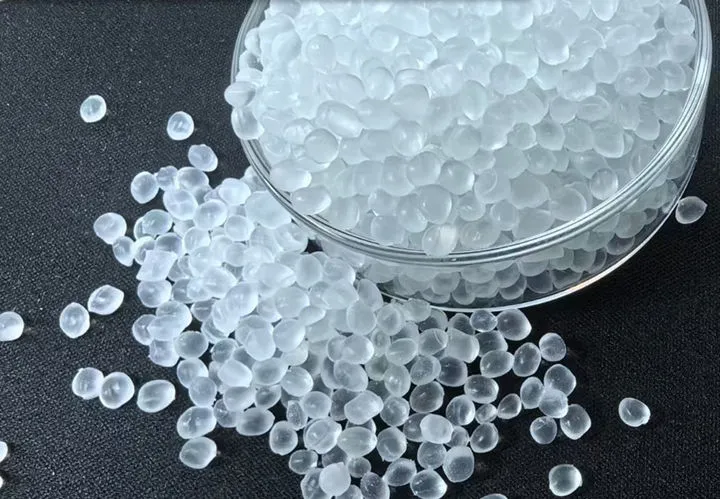
Thermoplastic Elastomers (TPE) are a unique class of polymers that blend the flexibility and resilience of rubber with the processing ease of plastic. Composed of both elastomeric (rubber-like) and thermoplastic (plastic-like) elements, TPE offers the softness and elasticity of rubber while still allowing for easy melting, molding, and reuse like plastic. For those wondering if TPE is safe, the answer lies in its carefully chosen materials—often containing block copolymers and blends of thermoplastic and elastomeric compounds—that provide an ideal balance of durability and strength without harmful chemicals.
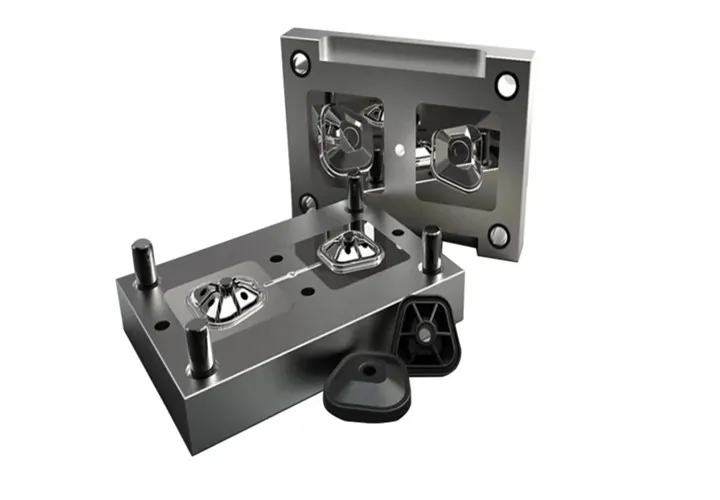
In manufacturing, TPE is typically produced through extrusion or injection molding. This process heats and combines the thermoplastic and elastomeric materials under precise conditions to form a uniform structure that can be melted and reshaped repeatedly. As a result, TPE has become a versatile and recyclable material that is widely applied across industries like medicine, automotive, and consumer goods.
What Makes TPE Safe?
Thermoplastic Elastomers (TPE) are widely regarded as a safe material due to their engineered composition and properties suited for sensitive applications. For those asking, is TPE safe, the answer is found in its non-toxic and hypoallergenic design, as it’s free from potentially harmful chemicals like PVC, phthalates, and latex, which can cause allergic reactions or health concerns. This makes TPE an excellent choice for products that contact the skin directly, such as medical devices, children’s toys, and personal care items.
Additionally, TPE’s durability and adaptability to sterilization processes add a layer of safety for medical and food-contact applications, where contamination control is essential. TPE can endure high temperatures and is resilient under a range of environmental conditions, allowing it to be used safely in products that require repeated cleaning or sterilization. Together, these properties—non-toxicity, hypoallergenic nature, and durability—make TPE a preferred and trusted material in industries prioritizing health and safety, from healthcare to consumer goods.
TPE in Everyday Life: Common Uses and Applications
Thermoplastic Elastomers (TPE) have become a staple material in various industries due to their versatility, comfort, and safety. From personal care items to household tools, TPE’s unique properties have made it a preferred material for products that need to be soft, flexible, and durable. Here’s a look at some common applications of TPE in daily life:
- Personal Care and Hygiene Products
- Household Goods and Tools
- Toys and Baby Products
- Sports and Fitness Gear
- Automotive Components
- Medical and Healthcare Products
- Electronics and Wearables
In everyday life, Thermoplastic Elastomers (TPE) are valued for their unique blend of flexibility, comfort, and durability, making them ideal for a wide range of applications. From baby products and personal care items to automotive components and sports gear, TPE’s non-toxic, hypoallergenic nature ensures safety across various uses. Its soft, skin-friendly texture offers comfort in products that require frequent handling, while its resistance to wear and environmental factors enhance product longevity. Additionally, TPE’s recyclability supports environmental sustainability, aligning with today’s push for greener materials. Whether in home goods, healthcare, or electronics, TPE’s versatility and user-friendly qualities make it an essential material that meets the demands of modern living. As industries continue to innovate, TPE’s applications are likely to grow, providing practical, eco-conscious solutions that improve everyday life.

Key Benefits of TPE in Medical Applications
Thermoplastic Elastomers (TPE) are increasingly used in medical applications due to their versatility, safety, and efficiency. For those wondering if is TPE safe, this material’s properties provide a clear answer. Here are the key benefits that make TPE an ideal choice for the medical industry:
Biocompatibility and Safety
TPE, or Thermoplastic Elastomers, is recognized for its biocompatible properties, meaning it can be used in close contact with human tissue without triggering adverse reactions. This makes TPE an ideal choice for medical devices and products intended for prolonged skin contact, such as catheters, syringes, and wearable health monitors. In addition, TPE is free from potentially harmful chemicals often found in other materials, including PVC, latex, and phthalates. These chemicals can pose health risks or trigger allergic responses in sensitive individuals, so TPE’s hypoallergenic qualities offer peace of mind for both patients and healthcare providers. The material’s safety profile supports its use in pediatric and neonatal care, ensuring comfort and safety for vulnerable patients.
Softness and Comfort
One of TPE’s most notable advantages in medical applications is its soft, rubber-like texture, which is gentle on the skin and comfortable for extended use. This characteristic makes it ideal for products worn over longer periods, such as respiratory masks, gloves, and bandages. Unlike harder plastics or less flexible materials, TPE conforms to the body’s contours, reducing irritation and pressure points. This comfort factor is particularly important in medical settings, where patients may need to use certain products daily or continuously. By providing flexibility and softness without sacrificing durability, TPE enhances patient comfort and improves adherence to medical treatments that require long-term use.
Durability and Resistance
Medical devices and equipment need to endure rigorous sterilization processes, especially for reusable items that must be kept sanitary. TPE is highly resistant to heat, chemicals, and environmental stress, allowing it to withstand autoclaving and other sterilization methods without degrading or losing functionality. This durability makes TPE a reliable choice for items such as tubing, surgical tools, and lab equipment. Moreover, TPE can withstand exposure to various chemicals and fluids often encountered in medical environments, maintaining its structural integrity and performance under challenging conditions.
Flexibility in Design and Applications
TPE’s versatility extends to its ease of molding and customization, making it suitable for various medical applications. Its ability to be molded into intricate shapes allows manufacturers to design products with advanced features, from simple items like seals and gaskets to complex devices used in surgery or diagnostics. This flexibility supports innovative design and enables manufacturers to meet specific requirements for each application. TPE’s adaptability also allows it to be combined with other materials, further enhancing its utility in customized medical solutions.
Cost-Effectiveness and Efficiency
Manufacturing with TPE is relatively straightforward compared to other materials, resulting in lower production costs and faster manufacturing cycles. This efficiency benefits healthcare providers by managing costs and enabling rapid deployment of essential medical products. In addition, TPE’s easy processing means that manufacturers can quickly adjust designs to meet market needs, allowing for both high-volume and specialized production with minimal waste. This cost-effectiveness is especially valuable in healthcare, where maintaining product affordability can have a direct impact on patient access and care quality.
Environmental Sustainability
In today’s healthcare landscape, sustainability is an increasingly important consideration. TPE’s recyclable nature addresses this need by allowing the material to be repurposed after its initial use, unlike many thermoset rubbers that cannot be remelted. This recyclability reduces waste, conserves resources, and helps medical institutions minimize their environmental footprint. As healthcare facilities strive to adopt greener practices, TPE’s sustainable qualities support these goals, making it a preferred choice for environmentally conscious medical manufacturers and providers.

Conclusion: The Safety and Versatility of TPE with ACO Mold
In conclusion, TPE, crafted with precision by manufacturers like ACO Mold, is a highly safe and versatile material with broad applications. Known for its non-toxic, hypoallergenic properties and strict compliance with safety standards, TPE is a top choice for products that come into contact with the human body, including medical devices, personal care items, and children’s toys.
TPE’s durability and resilience make it an excellent choice for applications beyond healthcare, spanning household items and automotive components. ACO Mold’s commitment to quality and innovation ensures that TPE products not only meet high standards but are also molded to perform reliably across industries. With continuous advancements in material science, the future of TPE is promising, opening new avenues for sustainable and effective applications.
It’s essential, however, to use TPE responsibly and ensure proper disposal or recycling. Choosing quality TPE products from trusted suppliers like ACO Mold and recycling them at the end of their life cycle can help maximize the benefits of this versatile material while reducing its environmental impact. So, is TPE safe? With ACO Mold’s expertise in manufacturing, the answer is undoubtedly yes. However, as with any material, making informed and responsible choices will ensure safety and sustainability in the long term.