I. Introduction
Acrylic injection molding is a precise manufacturing process used to create durable, clear plastic products. By injecting molten acrylic into a mold, manufacturers can produce complex, high-quality parts with excellent clarity and strength. This technique is ideal for applications that require optical transparency, weather resistance, and impact durability. Acrylic’s ability to retain clarity while being molded into intricate shapes makes it a popular choice across industries like automotive, healthcare, signage, and consumer goods. Acrylic injection molding not only ensures the functionality of products but also enhances their aesthetic appeal. In this article, we’ll delve into how acrylic injection molding works, its key benefits, and the factors that contribute to producing durable, high-quality acrylic products.
II. What is Acrylic and What Are Its Key Properties?
(A) Overview of Acrylic Injection Molding
Acrylic, also known as PMMA (Polymethyl Methacrylate), is a versatile thermoplastic material renowned for its exceptional transparency, durability, and ease of processing. Commonly used in applications ranging from optical lenses to automotive components and signage, acrylic delivers both aesthetic appeal and functional value. One of the most popular methods for shaping acrylic is injection molding, a process in which molten acrylic is injected into a mold at high pressure to form precise, complex shapes. This technique is especially favored for producing high-quality, clear acrylic products with intricate details, making it ideal for industries that require both visual clarity and performance. The injection molding process is highly efficient and scalable, allowing for mass production of transparent plastic components with precise dimensions while maintaining the material’s strength and clarity.
(B)Key Properties of Acrylic Material
Acrylic boasts several key properties that make it a highly valuable material for various applications:
1. Physical Properties
Acrylic is a lightweight material with a density ranging from 1.17 to 1.20 g/cm³, making it easier to handle and transport compared to glass. It has excellent dimensional stability, with a low shrinkage rate and minimal water absorption (around 0.2–0.3%). Additionally, acrylic is resistant to weathering and UV radiation, which allows it to maintain its performance and appearance in outdoor environments. However, it is a combustible material and will burn if exposed to high temperatures, forming carbon dioxide and other byproducts.
2. Optical Properties
Acrylic is known for its excellent clarity, with light transmission of up to 92%, making it a popular alternative to glass in many applications. It is highly transparent and can be easily colored or coated without compromising its optical quality. Additionally, acrylic’s light diffusion properties make it ideal for applications like light covers and signage.
3. Mechanical Properties
Acrylic is relatively strong and durable compared to other plastics. It has high tensile strength and good impact resistance, although it is more prone to scratching than polycarbonate. Acrylic’s mechanical strength allows it to be used in demanding environments, such as automotive and aerospace components.
4. Thermal Properties
Acrylic can withstand moderate heat, with a glass transition temperature around 100°C (212°F). It is stable at room temperature but may begin to deform under higher temperatures. Acrylic’s low thermal expansion means it does not shrink or expand excessively with temperature changes, making it ideal for precise applications.
5. Electrical Properties
Acrylic is an excellent electrical insulator, making it suitable for electrical and electronic applications. It has a high dielectric strength, which means it can resist electrical breakdown at high voltages. This property makes acrylic an ideal choice for electrical enclosures and displays where electrical insulation is required.
Here is a table to provide a clearer understanding of the key properties of acrylic (PMMA):

III. Acrylic Injection Molding: What You Should Know
(A) Advantage of Acrylic injection molding
Acrylic injection molding offers several advantages, making it a preferred manufacturing method for creating durable, transparent plastic components. Below are the key benefits:
Exceptional Clarity & Optical Transparency
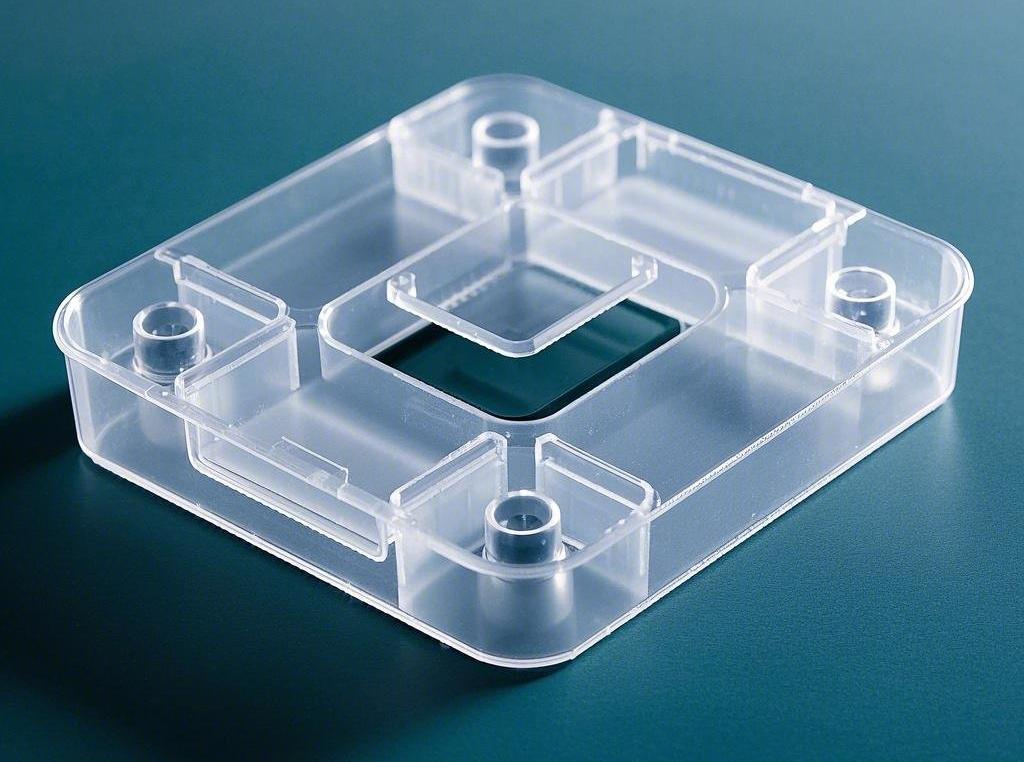
Acrylic offers outstanding optical clarity, allowing up to 92% light transmission. Its transparency makes it a preferred alternative to glass for applications like lenses, signage, and light covers. Products manufactured through acrylic injection molding maintain their brilliance and optical quality, enhancing their visual appeal.
High Durability & Weather Resistance
Acrylic is highly durable and resistant to environmental factors like UV radiation, weathering, and temperature changes. This makes it ideal for outdoor applications, as it maintains its strength and clarity over time without yellowing or degrading, even under harsh conditions.
Design Flexibility
Acrylic injection molding enables the creation of intricate designs with high precision. It supports various shapes, sizes, and textures, allowing manufacturers to produce components tailored to specific needs. This versatility makes it suitable for industries ranging from automotive to consumer goods.
Energy Efficiency & Dimensional Stability
Acrylic exhibits low thermal expansion and excellent dimensional stability, ensuring consistent performance under varying temperatures. Additionally, the energy-efficient injection molding process minimizes material waste, making it both an environmentally and economically sound option.
Chemical Resistance
Acrylic is resistant to many chemicals, including diluted acids, alkalis, and cleaning agents. This property makes it a suitable material for use in industrial, medical, and laboratory applications where exposure to chemicals is common.
Cost-Effective for Mass Production & Minimal Post-Processing
Acrylic injection molding is a highly efficient process for mass production. It reduces manufacturing time and costs while delivering finished parts with smooth surfaces that require minimal post-processing. This cost-effectiveness, combined with high-quality results, makes it a popular choice for large-scale production.

(B) The process of acrylic injection molding
Acrylic injection molding is a step-by-step process that transforms acrylic resin into precise, high-quality components. Here’s a breakdown of each step:
Step 1: Design and Mold Preparation
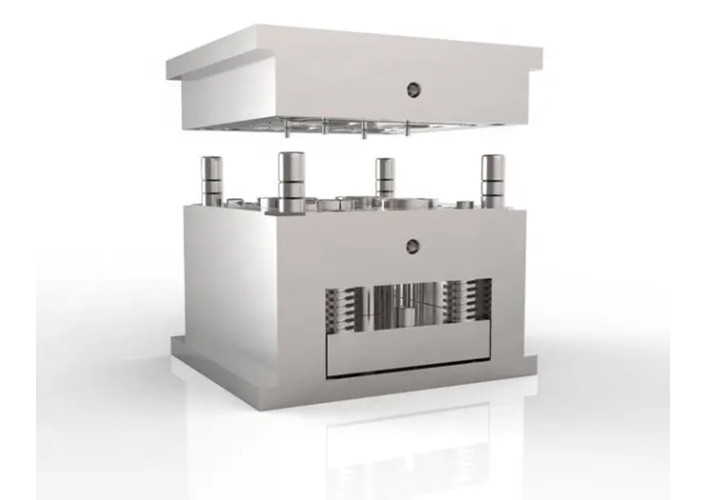
The process begins with designing the product and creating a custom mold. The mold is usually made from durable materials like steel or aluminum to withstand the high pressure and temperature of the molding process. Attention to detail during this stage ensures the final product meets exact specifications.
Step 2: Preparation of Acrylic Material (Acrylic Resin)
The acrylic resin, typically in pellet form, is dried to remove any moisture. Proper drying is critical to prevent defects like bubbles or poor surface finishes in the final product. The dried resin is then ready for the molding process.
Step 3: Injection Molding Machine Setup
The injection molding machine is set up with the prepared mold and acrylic resin. Parameters such as temperature, pressure, and injection speed are calibrated to ensure optimal performance during the process.
Step 4: Injection of Molten Acrylic Into the Mold
The acrylic resin is heated until it melts and becomes viscous. The molten acrylic is then injected into the mold cavity under high pressure to fill every detail of the mold design. Precision is key to achieving accurate and consistent results.
Step 5: Cooling and Solidification
Once the mold is filled, the molten acrylic begins to cool and solidify. Cooling time is carefully controlled to avoid warping or shrinking of the product while ensuring a strong, stable structure.
Step 6: Mold Opening and Ejection
After the acrylic has fully cooled, the mold is opened, and the finished product is carefully ejected. This step requires precision to prevent damage to the molded part or the mold itself.
Step 7: Post-Processing, Finishing, and Delivery
The final product may undergo post-processing, such as trimming, polishing, or coating, to enhance its appearance and functionality. After quality checks, the finished acrylic components are packaged and delivered to the client.
IV. How Acrylic Injection Molding Ensures Durability and Clarity in Plastic Products
(A) Acrylic Injection Molding in the Medical and Healthcare Industry
In the medical and healthcare sectors, acrylic injection molding is indispensable. Its biocompatibility and resistance to chemicals make it suitable for producing safe and hygienic medical devices such as syringes, IV connectors, and surgical instruments. The material’s clarity allows healthcare professionals to monitor fluids effectively, enhancing patient care. Moreover, the precision of injection molding ensures that intricate and reliable components meet stringent regulatory standards.
(B) Acrylic Injection Molding in Medical Devices
Acrylic’s unique properties are leveraged in the production of various medical devices. Its optical clarity is essential for components like incubator windows and diagnostic tool housings, where visibility is paramount. The material’s durability ensures that devices can withstand repeated sterilization without degradation, maintaining consistent performance in critical healthcare settings.
(C) Acrylic Injection Molding in Consumer Electronics
In the realm of consumer electronics, acrylic injection molding facilitates the creation of sleek and functional components. The material’s transparency and scratch resistance are ideal for products like smartphone screens, LED light covers, and audio equipment casings. Additionally, acrylic’s versatility allows for various finishes, enhancing the aesthetic appeal of electronic devices while ensuring durability and longevity.
V. Why Acrylic Injection Molding Is the Top Choice for Transparent and Durable Plastics

First, acrylic injection molding excels in producing plastic components with exceptional optical clarity. With light transmission exceeding 92%, acrylic delivers glass-like transparency, making it the perfect choice for applications like lenses, light fixtures, and display screens where visual quality is paramount.
Second, acrylic’s remarkable durability ensures long-lasting performance. Its strength and impact resistance allow products to withstand daily wear and tear without compromising their integrity. This makes it particularly valuable in industries like automotive and consumer electronics, where components are subjected to rigorous use.
Third, acrylic injection molding provides unmatched design versatility. The process allows for the creation of intricate and complex shapes with precision, meeting a wide range of design needs. From functional parts to decorative items, acrylic molding achieves detailed and accurate results tailored to specific requirements.
Finally, ACO Mold stands out as a trusted leader in acrylic injection molding services. With over 20 years of experience, ACO Mold specializes in custom mold making and plastic production for global clients. Their ISO9001:2000 certification and rigorous quality control processes ensure consistent, high-quality results. Plus, ACO Mold offers a lifetime warranty on their molds, providing clients with reliable, durable solutions for all their production needs.
VI. Conclusion
Acrylic injection molding is the ultimate solution for creating durable, crystal-clear plastic products that stand out in both quality and design. Its unmatched transparency, strength, and versatility make it a favorite for industries like healthcare, consumer electronics, and automotive. With precise manufacturing and cost-effective production, acrylic injection molding ensures flawless results every time. For businesses seeking reliable and innovative solutions, partnering with trusted experts like ACO Mold guarantees exceptional quality, durability, and long-lasting value for all your acrylic molding needs.